How To Safely Load And Unload A Car On A Tow Truck

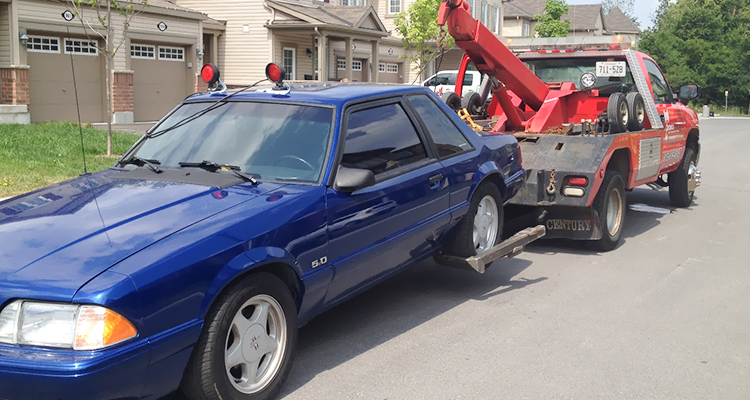
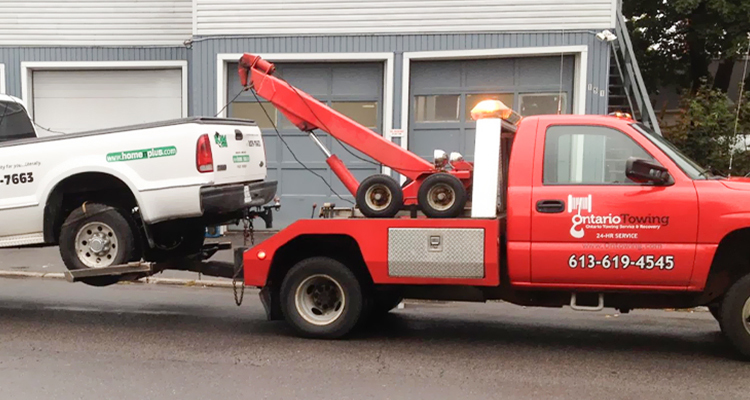
How To Safely Load And Unload A Car On A Tow Truck Towing a vehicle may seem easy but it is actually a very difficult and challenging task. It often appears simple because of the powerful and huge tow trucks that most towing companies use but the real task is to safely load the vehicle on the tow truck without damaging the vehicle. Towing can quickly turn into a dangerous task especially if you are not working with a professional towing company. Just like others, you would never want your vehicle to get damaged during the process of loading, and you will also not want to hurt yourself while your car is being unloaded or towed. Towing another vehicle or a huge object is not something that everyone can do and therefore should be left in the hands of professional towing companies. This is because professional towing companies have skilled and experienced workers who are trained to follow safety measures while towing vehicles. Also Read: Safety Tips For Towing Your Vehicle But you may wonder how exactly they safely unload and load the vehicle. In this blog post, we will talk about the process that is used to safely load and unload a car on a tow truck.

The Weight Ratings

Guessing numbers and ratings is never advised if you want to safely tow a vehicle. The towing professional needs to know various ratings in order to choose which truck to use for your car. They need to know the weight ratings to make sure that their tow truck is capable of carrying and transporting your vehicle. Here are a few things a professional tow truck driver should know: Gross Combination Weight Rating: It is the maximum weight of the tow truck plus the weight of anything it is carrying such as passengers, fuel, the trailer and equipment. Gross Vehicle Weight Rating: This is the total weight limit of the entire vehicle. This includes the weight of the vehicle to be towed, passenger, cargo and other accessories. Gross Axle Weight Rating: The gross excel weight tells the weight that a single axle is capable of holding safely. Tongue Weight: The tongue weight is the entire weight of the trailer that is supported by the trailer’s hitch. This weight should only be around 10% of the total trailer weight. If the tongue weight is more than the mentioned limit then it will become difficult to safely steer the tow truck. Tow Truck Towing Capacity: Every tow truck has a towing capacity that is the total weight that the truck can carry.

Flatbed Preparation

Towing professionals don’t just place your car on a flatbed but first prepare the flatbed before towing a vehicle on it. Professional flatbed tow truck drivers first closely examine the truck to look for any corrosion or damage. In addition to this, they also inspect the tire pressure of the flatbed tow truck and the attachment of the flatbed trailer. To ensure the safe towing of your vehicle the flatbed truck deck should be levelled and the lock pins should be in good condition. Hence professional towing companies prepare their tow trucks before towing any vehicle to guarantee safe and secure towing.

Proper Unloading Of The Vehicle

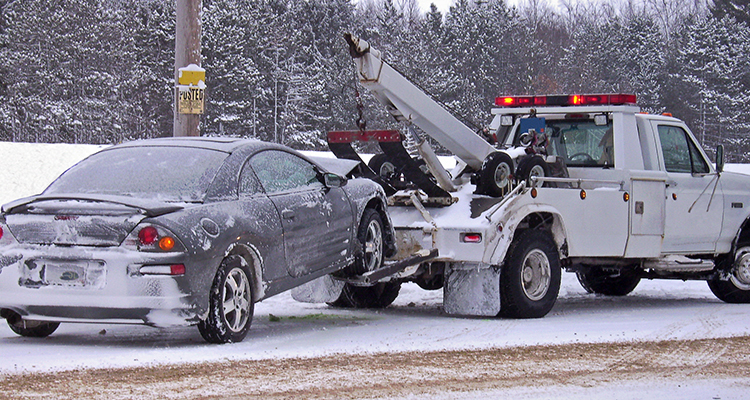
Unloading the vehicle is just as important as loading it, and if it is not done properly it can cause a lot of damage to your vehicle. Professional towing companies use all the available machinery that is needed to safely unload the vehicle. If the car is totaled then the towing company will use a crane to safely unload your vehicle.

About Ontario Towing

At Ontario Towing, we provide an extensive range of towing services, ranging from expert flatbed hauling to local and long-distance towing services throughout Ottawa and surrounding areas. We offer reliable tow trucks at affordable rates to ensure secure and satisfied towing and recovery services. We also offer reliable and expert roadside assistance services to our customers in Ottawa, Kanata, Orleans, Gloucester, Barrhaven, and surrounding areas. We have the professionally trained staff and state-of-the-art equipment to deliver nothing but the best. Contact us now to get the best and most reliable towing and roadside assistance services. With an established reputation, Ontario Towing now introduces Ottawa’s Roadside Assistance. Catering specifically to Ottawa’s drivers, this program pledges rapid, specialized support, fortifying their position as trusted roadside guardians.

What Are The Benefits Of Car Park Enforcement Services?

What Are The Benefits Of Car Park Enforcement Services? Managing your business and your parking facility is not an easy job. You have to continuously check on your parking property and prevent any illegal parking there. Such situations can often arise conflicts between you and the other party who has parked illegally in your area. However, if you decide that you want to allow others to park at your place, make sure you are charging them rightly. In such circumstances, parking enforcement services are beneficial for those responsible for managing the parking area. They charge people the right price and keep unnecessary people away from parking. This is necessary to avoid any mishap and ensure the safety and security of the people and their cars. There are tons of benefits of hiring a private parking enforcement service. They are quite helpful if you own a small business. This blog post mentions some of the top benefits of hiring a parking enforcement service.

You Gain Better Control

Owning a parking space and controlling it are two different things. Even if you own a parking space, it might be impossible for you to keep unauthorized people from parking there. This can become quite a frustrating task for you to ask people not to park in your space. Moreover, you might find it hard to prohibit everyone from coming to the spot. Parking enforcement services help you in this process and make it convenient for you to allow only authorized persons to park in your parking area. This prevents conflicts and quarrels when the driver sees that a trained person has asked them to move their car. They accept the order and park somewhere else. This gives you better control over your parking area, and the process becomes more manageable.

They Prevent Vandalism

Another benefit of parking enforcement services is that they help prevent vandalism and theft. Unsupervised and insecure parking lots are a great spot for thieves. They may break into the cars, steal them or take items from them. They are soft targets for them which they can easily use to their benefit. Hence, you must always ensure that your parking area is completely secured and safe for your customers. Parking enforcement ensures the safety of the parking lot against theft and vandalism. The personnel keep an eye on everything and spot any suspicious activity on time. This helps to prevent any thefts and loss of valuable property. Thus, if you want to have a safe and secured parking spot, investing in an experienced parking enforcement company is best.

They Put Parking Rules Into Effect

One of the greatest benefits of parking enforcement is that they put discipline and rules into effect in the parking area. Every type of parking spot, be it commercial or residential, has its own set of rules which are according to the traffic rules and regulations of that city. Upon not following those rules, the driver and the parking manager can both be fined by the traffic police. Parking enforcement services make sure that these rules are strictly put into place, and that everybody follows them. It means that the cars parked are safe, and no fine will be placed against them.

They Give Extra Security

Parking enforcement services also add a layer of security to your parking area. Other parking spots might not be observed through video surveillance. However, some towing companies offer parking enforcement services using proper video surveillance methods as well. This added security feature keeps every movement under observation and prevents thefts. It also helps to observe a vehicle’s movements and maintain discipline at all-times within the parking area.

It Saves Space For Disabled Parking

Parking enforcement services also reserve space for everyone. Moreover, if there is a special parking area for the disabled, it takes special care of it and prevents any unauthorized parking there.

About Ontario Towing

Ontario Towing is a reliable towing company servicing in Ottawa, Kanata, Orleans, Gloucester, Barrhaven & surrounding areas. We also offer parking enforcement services which include 24-hour surveillance at your home or business by trained professionals. At Ontario Towing, we strive to deliver quality parking implementation facilities with a client-oriented approach. Contact us now to learn more about our dedicated parking enforcement services or to get a free consultation. Ontario Towing strengthens its commitment to drivers with the launch of Ottawa’s Roadside Assistance. Tailored to Ottawa’s dynamic driving environment, it assures expedited aid and unwavering roadside expertise, reinforcing their trusted service pledge.

Flatbed Vs Wheel Lift Tow Trucks: What’s The Difference?

Flatbed Vs Wheel Lift Tow Trucks: What’s The Difference? Nobody ever plans to have a flat tire, overheated engine, or an accident but such is life. No matter how carefully you drive, accidents still happen and vehicles still break down. In cases like these, a tow truck can come to your rescue. They can tow your car or truck to the service shop or to a safe place. To do the job safely and correctly the towing company you hire should be experienced and have trained staff or they could end up doing more damage than good. Therefore, it is important to choose a good towing company to avoid further damage. While selecting a towing service you may also want to consider the type of truck you’d prefer to tow your vehicle. Ontario towing always uses the best option according to the situation you are in but having a know-how of the type of tow trucks commonly used will always benefit you in unprecedented situations. The blog below explains the differences between the two most popular types of towing trucks i.e flatbed tow truck and wheel lift tow truck.

Wheel Lift Tow Truck

A popular type of tow truck used by almost all towing companies nowadays is a wheel lift tow truck. Modern wheel lift trucks have hydraulic booms with a crossbar at both ends. To tow a vehicle using it, the crossbars are placed either at the rear or front wheels. With the crossbars in place, the car is lifted so that only two wheels are in contact with the road. The choice of rear or front wheels being lifted depends on the vehicle’s transmission.

Advantages

  • This type of tow truck costs less.
  • It fits into tight parking areas or narrow spaces.
This makes it the best choice for a broken car parallel parked inside a basement parking lot.

Disadvantages

  • They can only be used for light vehicles like 2-wheel cars.
  • They can tow over short distances only.
  • Two-wheel towing can damage the rims of the tires in contact with the road.

Flatbed Tow Truck

Another popular type of tow truck is a flatbed tow truck. With this tow truck, a flat platform that can be moved to reach the ground is used. This feature makes it possible to drive or push the car into the platform. If the car is undrivable a winch system will be used. Once the car is placed on the flatbed area it is secured with straps or chains and the platform is again adjusted on the tow truck. This is where the main difference between wheel lift and flatbed towing is – vehicle protection. Flatbed towing is safer and the need to readjust the vehicle due to towing effects is less.

Advantages

  • Once the car is secured on the truck bed the chances of any further damage decrease dramatically.
  • They are best for long-distance towing.
  • All four un-mobilized tires are better for vehicle transmission.
  • It can easily haul medium-size cars, SUVs, and other similar vehicles.

Disadvantages

  • Flatbed trucks are enormous and cannot fit in narrow spaces like car parking lots.
  • Pulling the vehicle onto the flat deck can be a time consuming process.
  • Tow time dramatically increases if the vehicle is in high traffic locations due to truck size.

About Us

At Ontario Towing, We provide an extensive range of towing services, ranging from expert flatbed hauling to local and long-distance towing services throughout Ottawa and surrounding areas. We offer reliable tow trucks at affordable rates to ensure secure and satisfied towing and recovery services. We also offer reliable and expert roadside assistance services to our customers in Ottawa, Kanata, Orleans, Gloucester, Barrhaven, and surrounding areas. We have the professionally trained staff and state-of-the-art equipment to deliver nothing but the best. Contact us now to get the best and most reliable towing and roadside assistance services. Ontario Towing, based in Ottawa, delivers premium towing, car lockout, and expert roadside assistance. Their comprehensive services include mobile tire aid, gas delivery, flatbed and long-distance towing, covering Ottawa and nearby regions.

5 Benefits of Mobile Tire Replacement

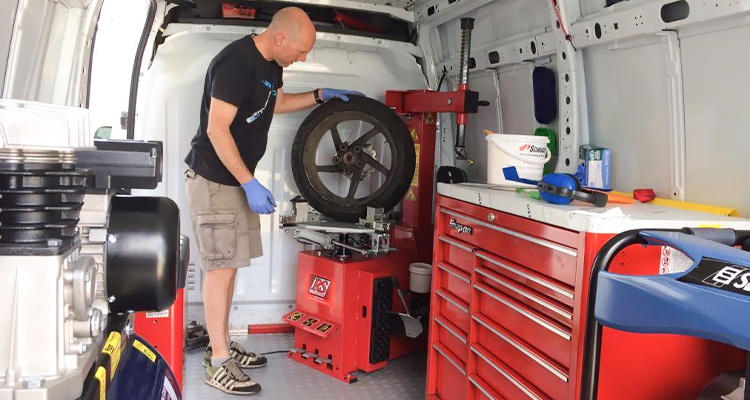
5 Benefits of Mobile Tire Replacement Tire issues are troublesome. They need to be checked and maintained regularly to keep them in shape and proper working condition. Tread levels can go down with time and can burst out of nowhere. Being stranded on a road can be frustrating. On one hand, you have to worry about your vehicle’s safety, repair costs, and on the other hand, you are now running late to reach your destination. One way you can lower your stress levels in such conditions is to know about a reliable helping source, in this condition a professional mobile tire and replacement service provider can be of great help. Of course, the situation is way easier when you know how to do it yourself and have proper tools on hand. Otherwise, a mobile tire replacement service is the easiest way out of the situation. Without it, you would have to walk miles from where your car is parked to get a mechanic and get the flat tire replaced with the spare one. On the other hand, you can simply call a mobile tire replacement service on the spot. Apart from this mobile tire replacement services provide several other benefits to stuck drivers. Some of them are explained in the following blog post.

Save Time

Finding a garage or a mechanic around in the area where you are stuck with a flat tire, can take a lot of time and energy. You may have to abandon your car in an unknown location to find tire replacement help, this can be a very stressful situation. However, when you are well-versed with a mobile tire change and replacement service, you can simply call your roadside assistance and they will reach your location in the least possible time. The professionals will change your tires quickly so you can get going again within no time.

You Remain Clean

Replacing a tire is not a clean job. Changing a flat tire on your own can leave dirt, oil, or grease stains on you. It is not a big problem if you encounter a flat tire while on your way back home from an event or from the office. However, if you are neatly dressed to attend a corporate event, meeting, or a friend’s wedding. You surely don’t want to appear all covered in dust. Therefore, having your tire replaced by a professional will help you stay clean and ready for the event, even after encountering a stressful situation.

Professionals Handle The Situation Better

If you are a do-it-yourself enthusiast, you will surely try to change your tire on your own. However, there will be at least one lug nut that is rusted or just too tight that it will not come off. This is where paying a professional to do the job is worth the price. Professional mobile tire service providers have got the expertise and all the necessary tools to get the job done. They can handle the most challenging situations without damaging your vehicle.

Cost-effective

When you are stuck with a flat tire in the middle of nowhere, you have only two options left, either tow your vehicle to the nearest garage or call a mobile flat tire service. However, when you hear about mobile tire replacement services, you may perceive it to be a very costly service. But in reality, it is cheaper compared to all other options you can opt for such as
  • Towing your car on a tow truck to the nearest or your regular repair shop.
  • Calling a random mechanic on the site to get the tire replaced.

It’s Safer

Changing a tire on the shoulder of a road is asking for trouble, especially if it is night or the weather is not cooperating. A mobile tire replacement service makes the instance safer, by doing the job for you.

About Us

Ontario Towing provides around the clock reliable mobile tire change and repair services to its customers in Ottawa. We strive hard to provide our customers with 24/7 roadside assistance, towing, lockouts, mobile tire change, and more services at premium quality and optimum rates. Stuck with a flat tire anywhere in Ottawa and surrounding areas? Contact us now and get your flat tire repaired and replaced professionally. Ontario Towing in Ottawa offers top-notch towing, car lockout solutions, and specialized roadside support. With added services like mobile tire assistance, gas delivery, and long-distance towing, they serve Ottawa and its surrounding areas diligently.

Common Car Lock Out Scenarios And What You Should Do

Common Car Lock Out Scenarios And What You Should Do Getting locked out of your car is a frustrating experience. Trying different tricks to unlock your car can cause damage to it. Locking your keys in your vehicle is a common mistake many drivers make. In fact, it is the second most common mistake drivers make after running out of gas and is usually due to lack of attention and negligence. There are many different scenarios in which you might need to call a car lockout service. Read the following scenarios below to learn how you can prevent them and what you can do if you lose your car keys.

Breaking The Keys

Keys can sometimes break due to them either not being well-built or yourself when you apply too much force while opening your door. When you want to unlock your vehicle as fast as possible, you might break your keys in the process, and half of the key comes out in your hand while the other half is stuck in the car’s lock. This will lock you out of your car, so you won’t be able to go anywhere. Only a locksmith that has experience with car lockout services can help you in this situation and help you get your keys back by using their own tools. Therefore, if something like this happens, it is better to call a car locksmith as soon as possible instead of trying your own tricks and making the situation worse.

Forgetting Your Keys Inside

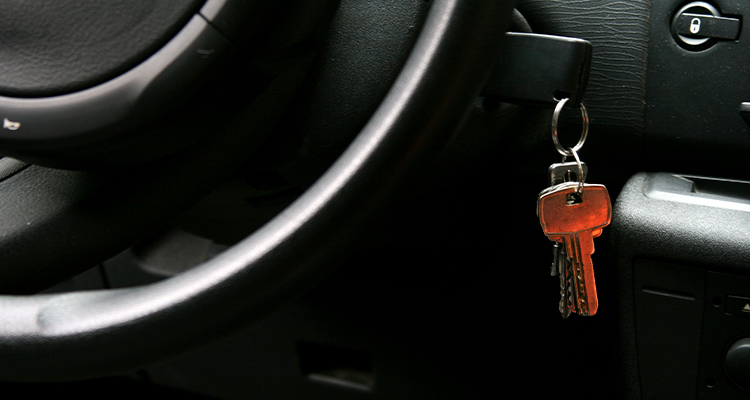
Another mistake many drivers make is that while getting out of their car, they leave their keys in the ignition and lock the car manually by pressing buttons on the doors. You might feel stupid that you can see your car’s keys, yet you can do nothing about it. This mistake purely happens out of lack of attention and negligence. One way to avoid this is to be attentive while getting out of your car and check that you have your keys every time you leave your car. Don’t hurry to lock your car. The situation can become even worse when the engine is running, and you are just going to grab something quickly. This will use up your fuel quickly. However, your muscle memory can help you here, build the habit of turning off your engine and then taking your keys out of the ignition, to prevent this mistake.

Losing The Keys

We are all human, and we all make mistakes. Sometimes you may lose your keys, and end up searching for them for hours. After looking for your keys in every place you have been to recently, if you still can’t find them hire a reliable locksmith.

How Can You Prevent A Car Lockout Situation?

To prevent car lockout situations, you can opt for the following measures.

Make A Habit

Make it a habit to double-check everything before you leave your car. Always keep your keys with you if you are getting out of your car. This will help you build muscle memory, so you won’t lose them again.

Call For Professional Help

If you have lost your car keys, call a professional car lockout company. They have the necessary tools and procedures that can help you recover your car keys in no time.

Have A Spare Set

Another wise thing you can do is to keep a spare set of keys at home. So, if you lose your keys, you can always call someone in your home to deliver those keys to you.

About Ontario Towing

Ontario Towing provides the most trustworthy, reliable, and around-the-clock car lockout services. We employ well-trained and qualified car locksmith specialists to provide our customers with safe, quick, and cost-effective 24-hour car lockout services using proper tools. Contact us here if you want any such services. Based in Ottawa, Ontario Towing specializes in premium towing, car lockout remedies, and advanced roadside help. Their extensive offerings, from mobile tire services to gas delivery and beyond, cater to both Ottawa and neighboring locales.

Safety Tips For Towing A Trailer

Safety Tips For Towing A Trailer As summer ends, more and more Canadians are towing their trailers back from their camping sights. That means the roads are more crowded and there are more dangers and chances of being in an accident. Whether you are towing a camper or a boat for a little vacation or are towing a trailer, safety should always be of top priority. The use of correct towing trucks, hauling tools, and the right techniques are key to a safe towing process. Substandard equipment and unskilled tow drivers can lead to more accidents and property damage. However, strict adherence to law and safety guidelines will lead you to a hassle-free towing experience. If you ever find yourself in a situation where you need to tow a trailer, the following tips will help you and make the job easier.

Take Your Time

Speed thrills but kills. Speed is one of the leading causes of road accidents. When you have a trailer on your back, you need to slow down more than your normal driving speed. Overspeeding can make your trailer sway and whip. Slow down if you find that the trailer is swaying, but never apply your brakes suddenly. If you are driving down a slope, lower your gear and minimize your speed. Similarly, when going uphill lower the gear and switch on your flashers, and keep moving slowly. These cautious driving practices will minimize the chance of you getting into an accident.

Stay Within Capacity

Each vehicle has a specific towing capacity, never exceed your vehicle’s towing limit and the load restrictions of your trailer hitch. Exceeding these limits can cause various problems including;
  • Handling difficulties
  • Brake performance
  • Damage to the engine
  • Damage to the drive-train and suspension
To avoid any problems, make sure to include any extra cargo or passengers you are carrying when calculating the load.

Distribute The Load

Distribution of your cargo weight is as important for safety as staying within your maximum towing capacity. Unequal cargo distribution can pull your trailer or vehicle to a particular side and make steering difficult. This can also damage your vehicle and trailer hitch. Make sure to pack your trailer in a way that the weight is equally distributed on both sides of the trailer. The general rule is to place 60% of weight in the front half of the trailer and tongue weight should not be more than 10-15%.

Inspect Your Trailer

Be sure to inspect your trailer before towing. Check your trailer’s lights, make sure it is tied correctly to the tow vehicle, check the connections manually. Ask someone to assist you in inspecting running lights, brake lights, hazard lights, and turn signals.

Maintain Your Trailer And Vehicle

Before hitting the road, make sure to inspect both your trailer and your vehicle and ensure they are performing correctly. Transmission, steering, front-line alignment, and your suspension all should be in proper working order. Moreover, check your tires for cold pressure and ensure that all your wheels are set at the correct pressure. It is advisable to increase the pressure of the rear tires of some tow vehicles, but don’t exceed the limit stamped on the tires.

Get The Right Equipment

If your vehicle doesn’t come with a built-in tow hitch, talk to a tow professional and get a hitch that is attached to the vehicle’s frame and not to the bumper. Make sure the hitch ball you buy is the same size as the couple on your trailer. Use strong safety chains to connect the trailer to the hitch. This will ensure that your hitch won’t dig into the pavement if your trailer becomes unhitched and causes significant damage.

Consider Two Mirrors

Trailer towing can significantly increase a vehicle’s blind spots. Making it difficult for drivers even in ideal situations. Adding two mirrors farther apart can provide a clear view of the entire length of the vehicle. This helps drivers to overcome any blind spots and decreases the chances of collision. These mirrors also make sure that you can see other vehicles and obstacles on the road. Therefore, the use of two mirrors should be the top consideration of every driver, towing a trailer.

About Us

Ontario Towing is a premium towing and roadside assistance company, providing services in Ottawa, Orleans, Kanata, Gloucester, and surrounding areas. Our exceptional services have enabled us to establish a satisfied customer base. If you are looking for a towing company that can tow your car, trailer or boat safely, or for any roadside assistance service, contact us. Ontario Towing, stationed in Ottawa, provides exemplary towing, car lockout, and roadside services. Their diverse suite, including mobile tire aid, gas delivery, and extensive towing options, supports Ottawa and its adjacent areas seamlessly.

How To Get Your Car Or ATV Unstuck

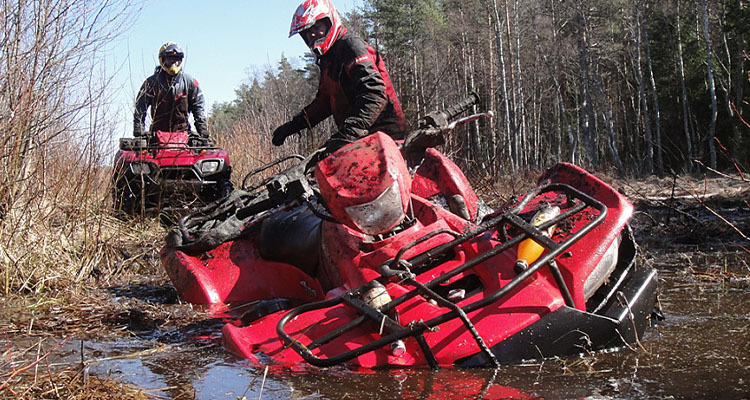
How To Get Your Car Or ATV Unstuck For a burgeoning off-roader, getting stuck is quite common. From an off-chamber obstacle of uselessly spinning tires in the air to a gravitational pull towards a muddy or sloppy pit, you face several dangerous situations while off-roading. No matter how careful you are, physics and the limitations of friction will surely get you at some point. Getting stuck in the mud or sand can be quite frustrating. Fortunately, there are several ways you can get out of the situation. The easiest and safest way is to call your roadside assistance provider. Ontario Towing is always ready to lend a helping hand whenever you are stuck or need any type of emergency roadside assistance. However, in some areas, getting professional roadside assistance is practically impossible. Don’t worry, there are still many ways through which you can get your car unstuck on your own. The following blog enlists some of the ways you can try to get your car out of the mud, snow, or sand.
The Basic Principles Of Vehicle Recovery

Before you attempt to get your car unstuck, there are some basic principles for safe vehicle recovery practices you need to keep in mind. Here are some tips to follow;
  • While it may be tempting, avoid the idea of just forcing your way out of the mud. The continuous revving of the car’s engine or useless spinning of the tires will only dig you further in the mud. Along with this, it will also destroy your tires, axles, drivelines, and transmissions.
  • If your car is thoroughly stuck, your ideal approach should be to increase the contact point of your tire and the ground. By practicing this, you can use momentum to reach more solid ground.
  • Gaining momentum is key to getting out of soft mud. Once you start moving, keep going till you reach solid terrain.
  • Communication is key if you are helping a driver out of a bogged situation. You need to inform them clearly about what is happening to the driving wheels.
  • Unfortunately, no single method has been proven to be effective in getting a car unstuck. So, trial-and-error methods are inevitable in such situations.

Take Stock Of The Situation

To have the best opportunity to get your car unstuck. It is better to understand the situation and know the severity of the condition. If the wheels are deep in the mud or other slippery material such that the chassis or axle now rests on the ground, you will have a hard time getting out of the situation. Other warning signs include more than one tire sunken in the mud or any other slippery material, especially the wheels. Similarly, if the frame of the car is teetering from its frame, enough to alter its weight distribution, thereby reducing the traction on the front wheels.

Two-Vehicle Snatch Method

Once you have got the stock of the situation, it’s time to try and get the car unstuck. Most commonly, people will try the two-vehicle snatch method first. This method can be quite effective if executed in a proper way with the use of proper tools. For this method, the recovery vehicle must have 4×4 traction and have a lock differential in function. Similarly, never use your tow ball, rope, or chain to attach both cars as they can snap and move in a dangerous projectile. Lastly, any lookers must be aware of the possible splash where the car recovery is taking place.

The Dig Method

The digging method is pretty much self-explanatory. Take a shovel (you will find it in your packed emergency kit) and start digging as much excess mud as you can from around your tire. If you don’t have a shovel, try using your hands or any other helpful material you can find in your surroundings. In theory, digging will give you more room to gain recovery momentum, helping you to drive your way out of the mud, sand, or snow.

About Us

Ontario Towing provides reliable 24/7 towing and roadside assistance services to its clients in Ottawa. If you find yourself stuck on the road due to a flat tire or mud, contact us now and get yourself out of the daunting situation with ease. Serving Ottawa and surrounding regions, Ontario Towing delivers exceptional towing, car lockout, and comprehensive roadside solutions. Their vast array of services, ranging from mobile tire fixes to gas delivery, ensures top-tier assistance for every motorist.

Tips To Ready Your Motorcycle For Riding

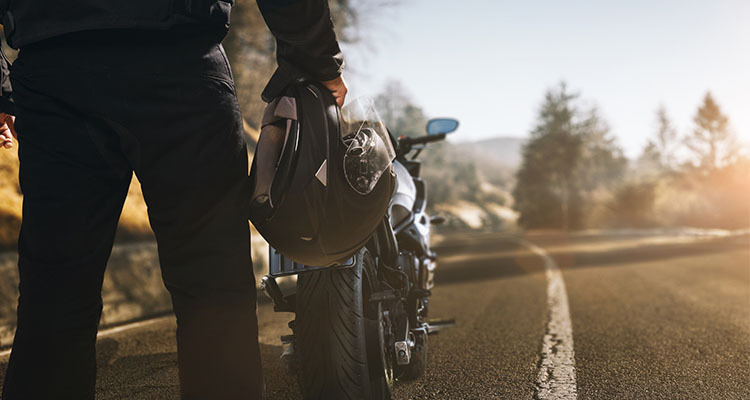
Tips To Ready Your Motorcycle For Riding If you are a rider then it’s time that you relive your passion for motorcycle riding. The joy of biking across curvy roads on a two-wheeler is unmatchable. But before you get on the road and start your ride there are a few things you should take care of. While the excitement of bringing your motorcycle out of your garage and on the road is running high there are a few things you need to do in order to ready your motorcycle for a smooth riding experience. It is important that you prepare your bike for every season, preparing your bike for the ride will help ensure your safety. If you and your motorcycle are not fully ready for riding, you may run into problems with your motorbike and end up having to wait for roadside assistance. So, to avoid any of this from happening it is important that you follow some of these tips to ready your bike for riding. In this blog post, we outline some of the tips that will help you prepare your bike for riding.
Clean Your Bike

Cleaning your dirt-ridden motorcycle is the first step in getting it ready for a ride. As your motorcycle has been hibernating in your garage for months it should be a necessary ritual for you to clean it before riding it again for the season. Cleaning your motorcycle will not only embellish your ride but will also help you detect wear and tear, any loose bolts and nuts, and any potential damage. Before you start your ride, remove all the blocks or covers you have placed on your bike. Then lower your bike on one stand and dust off all the grime and dust from the windshield and fairings, now wash away all the protective sprays and coating you have applied to protect your motorcycle. Take a close look inside the exhaust pipes and airbox to ensure that no critters are hanging out down there. Lastly, carefully wipe down the motorbike’s frame, rims, brake rotors, and chains to remove all the rust and corrosion from your bike.

Check The Fuel System

Your fuel system can make or break your ride. When your bike is left standing in your garage for an extended period its fuel filter weakens so you must check the fuel system of your bike before running the engine. Hence you need to examine the fuel tank, fuel lines, and fittings for leaks and cracks and replace the fuel filter. Your fuel will be in a good condition if you use a fuel stabilizer, but make sure that you check for gunk and stratification by opening the filler cap. If your fuel is in good condition you can move to the next step, but if not then you will have to drain the tank and its fuel lines before starting the engine. It is also important that you clean and check your bike’s carburetor. Add a fuel system cleaner the next few times you fill your tank.

Change The Engine Oil

Many motorcycle experts believe that you should change your bike’s engine oil and filter before storing and after taking it out of storage. It is important to change your bike’s engine oil after storage because during the long months of standing in the garage, oil separation can cause condensation build-up harming your automobile. Therefore your bike must be well oiled before riding.

Check The Tires

Once your bike looks pristine it’s time that you take a moment and closely inspect the tires of your motorcycle. Your bike has been standing in your garage for so many months putting all its weight on its tires, this leads to flat spots and stress marks. It is important that you inspect the tires and change them if it’s necessary. Riding with overinflated, under-inflated, or damaged tires can lead to horrible accidents. Hence it is important that you first do a visual inspection of your motorbike’s tires to detect any punctures, cracks, and bulges and then check the tire’s pressure by using a pressure gauge to ensure that the tires are in good riding condition.

About Ontario Towing

Ontario Towing offers reliable and expert roadside assistance to its customers in Ottawa, Kanata, Orleans, Gloucester, Barrhaven, and surrounding areas. For more information on our services, visit our website or contact us today for personalized care. Ontario Towing, headquartered in Ottawa, is a leader in superior towing, car lockout, and roadside support. With a wide range of offerings, including mobile tire services and gas delivery, they extend their expertise across Ottawa and its neighboring communities.

How To Tow A Car With Another Car

How To Tow A Car With Another Car So, you’ve got a car that’s decided to quit on you, and you’re thinking about using another car to get it where it needs to go. It seems simple enough, right? Just hook ’em up and drive off. But hold on a second. Towing a car with a car isn’t always as straightforward as it looks. There are some important things you need to know first, like if it’s even allowed where you are, what gear you’ll need, and how to do it without causing more problems. This guide will walk you through the basics of towing a car with a car, helping you understand the steps and what to watch out for.

Key Takeaways

  • Always check your local laws about towing a car with a car before you start. Rules can be different depending on where you live.
  • You’ll need the right gear, like a strong tow strap or a proper tow bar, to do the job safely. Don’t just use any old rope.
  • Make sure both vehicles are ready. Read your car manuals and do some quick safety checks before you connect anything.
  • Connecting the cars correctly and driving carefully are super important steps. Go slow and be aware of everything around you.
  • There are risks involved in towing a car with a car. Knowing these risks and taking steps to avoid them can prevent accidents and damage.

Is Towing a Car with Another Car Legal?

Before you even think about towing with a car, you need to figure out if it’s legal where you are. I mean, nobody wants a hefty fine or worse, right? It’s not as simple as just hooking up and driving off. Laws vary a lot, and ignorance isn’t an excuse. towing a car with a car

State-Specific Towing Laws

Towing regulations differ significantly from state to state. What’s perfectly fine in one place could land you in trouble in another. You’ve got to dig into the specifics of your local laws. Some states might allow towing a car only in emergency situations, or only for very short distances. Others might have strict rules about the type of equipment you need, like specific lighting or safety chains. Don’t just assume you know the rules – actually check them. A quick search online for your state’s vehicle code should point you in the right direction. Better safe than sorry, right? It’s always a good idea to contact your local Department of Motor Vehicles (DMV) or state transportation agency. They can provide the most up-to-date and accurate information about towing laws in your area. Plus, they can clarify any confusing points or answer specific questions you might have. Don’t rely on hearsay or outdated information – get it straight from the source. Here’s a quick checklist to get you started:
  • Check your state’s vehicle code online.
  • Contact your local DMV or transportation agency.
  • Look for specific regulations about towing regulations with a car.
  • Pay attention to requirements for safety equipment and lighting.
  • Make sure you understand any restrictions on distance or emergency situations.

Essential Equipment for Towing

Alright, so you’re thinking about towing a car with another car? Cool. But before you even think about backing up and hooking up, let’s talk gear. You can’t just grab any old rope and hope for the best. You need the right stuff to do it safely and, you know, legally.

Tow Ropes vs. Tow Straps

Okay, first things first: ditch the image of using some flimsy rope you found in your garage. You need either a proper tow rope or, even better, a tow strap. What’s the difference? Well:
  • Tow ropes often have hooks on the end, which can be convenient, but they also have more give, which can make for a jerky ride.
  • Tow straps are usually made of nylon or polyester and are designed to stretch slightly under load. This helps absorb some of the shock and makes for a smoother towing with a rope (or strap!) experience.
  • Both should be rated for a weight significantly higher than the vehicle you’re towing. Seriously, don’t skimp on this. Check the weight rating!

Tow Bars and Dollies

If you’re planning on doing any amount of towing, you might want to consider a tow bar or a tow dolly. These are a step up from just using a rope or strap, and they offer a lot more control and safety.
  • A tow bar attaches to the frame of both vehicles, creating a rigid connection. This is great for longer distances and higher speeds, but it requires some modification to the towed vehicle.
  • A tow dolly is a small trailer that the front wheels of the towed vehicle sit on. This is easier to set up than a tow bar, but it’s not suitable for all vehicles (check your owner’s manual!).
Using the right equipment isn’t just about convenience; it’s about safety. A broken rope or strap can cause serious damage and injury. Take the time to invest in quality gear and learn how to use it properly.

Preparing Your Vehicles for Towing

Before you even think about hooking up one car to another, you need to make sure both vehicles are ready for the task. This isn’t just about having the right equipment; it’s about ensuring the safety of everyone involved and preventing damage to your cars. Rushing this step can lead to serious problems down the road. Let’s get into the details.

Checking Vehicle Manuals

The first thing you should do is consult the owner’s manuals for both the towing vehicle and the vehicle you plan to tow the vehicle. These manuals contain specific instructions and warnings related to towing, including weight limits, recommended towing methods, and any special procedures you need to follow. Ignoring these guidelines can void warranties or, worse, cause significant damage to your vehicles. Not all cars are created equal, and what works for one might be disastrous for another. For example, some automatic transmissions require specific procedures to avoid damage during towing, such as using a tow dolly or disconnecting the driveshaft. Always check the vehicle recovery methods before you start.

Safety Checks Before You Start

Before you even think about connecting the vehicles, perform a thorough safety check on both. This includes:
  • Tire Condition and Pressure: Make sure all tires are properly inflated and in good condition. Underinflated or worn tires can lead to blowouts, especially when towing.
  • Fluid Levels: Check all essential fluids, including engine oil, coolant, brake fluid, and transmission fluid. Low fluid levels can cause overheating or other mechanical problems during the tow.
  • Brake Functionality: Test the brakes on both vehicles to ensure they are working properly. The towing vehicle’s brakes will be under extra stress, and the towed vehicle’s brakes may be needed for additional stopping power.
  • Lights and Signals: Verify that all lights, including headlights, taillights, brake lights, and turn signals, are functioning correctly on both vehicles. This is crucial for visibility and communication with other drivers.
  • Secure Loose Items: Remove any loose items from inside the vehicle being towed, as they can shift around and cause damage during transport. Also, make sure any external accessories, like bike racks or roof boxes, are securely attached or removed altogether.
Taking the time to perform these checks can save you a lot of headaches and potential dangers down the road. It’s always better to be safe than sorry when it comes to towing. Remember to use these towing vehicle tips to ensure a smooth process.

Step-by-Step Guide to Towing

towing a car with a tow strap

Connecting the Vehicles Safely

Alright, let’s get down to brass tacks. First, you’ve got to make sure both vehicles are on level ground and the parking brakes are engaged. This is super important. Next, grab your tow rope, strap, or bar.
  • Locate the tow hooks or designated attachment points on both vehicles. These are usually in the bumpers or frame. If you can’t find them, check your owner’s manual. Seriously, do it.
  • Securely attach the towing equipment to both vehicles. Make sure the connections are solid and there’s no chance of them coming loose. Double-check everything. I mean it.
  • If you’re using a tow rope or strap, make sure it’s not twisted or tangled. You want a straight, even pull.
Before you even think about moving, have someone check the connections one last time. It’s better to be safe than sorry. Trust me on this one.

Driving Tips for Towing

Okay, so you’re all hooked up and ready to roll? Not so fast. Towing requires a different driving style than you’re used to.
  • Start slowly and accelerate gradually. No sudden movements. You’re not trying to win a race; you’re trying to tow the car safely.
  • Increase your following distance significantly. You’ll need more time to brake, so give yourself plenty of space.
  • Avoid sudden braking or sharp turns. These can cause the towed vehicle to sway or even jackknife. Smooth and steady is the name of the game.
  • When turning, make wider turns than usual to account for the length of the towed vehicle. You don’t want to clip any curbs or other vehicles.
Scenario Recommended Action
Uphill Maintain a steady speed; downshift if necessary.
Downhill Use a low gear to control speed; avoid riding brakes.
Wet/Slippery Roads Reduce speed significantly; increase following distance.
Remember, communication is key. If you have someone in the towed vehicle, establish hand signals or use a two-way radio to communicate. This car hauling guide is not a substitute for common sense. If you’re not comfortable with any part of the process, don’t do it. Call a professional. Seriously.

Risks and Precautions When Towing

Towing a car isn’t just about hooking it up and driving off. It’s about understanding the potential dangers and taking steps to avoid them. Ignoring these risks can lead to accidents, vehicle damage, and even legal trouble. Let’s look at some key areas to keep in mind.

Connecting the Vehicles Safely

  • Double-Check Connections: Before you even start moving, make sure everything is connected properly. This includes the tow rope or straps, safety chains, and any lighting connections. A loose connection can cause the towed vehicle to break free, leading to a dangerous situation.
  • Inspect Regularly: Pull over frequently, especially at the beginning of your trip, to check all connections. Look for any signs of wear, looseness, or damage. Addressing these issues early can prevent bigger problems down the road.
  • Use the Right Equipment: Make sure your towing equipment is rated for the weight of the vehicle you’re towing. Using equipment that’s too weak can lead to failure and accidents.
It’s easy to get complacent, especially on long trips. But taking a few extra minutes to check your connections can make all the difference.

Driving Tips for Towing

  • Drive Slowly and Steadily: Towing significantly affects your vehicle’s handling. Reduce your speed and avoid sudden maneuvers. This gives you more time to react to unexpected situations and helps prevent swaying or loss of control.
  • Increase Following Distance: You’ll need more space to stop when towing. Increase your following distance to at least twice what you would normally use. This gives you ample time to brake safely.
  • Be Aware of Your Surroundings: Pay close attention to traffic, road conditions, and weather. Adjust your driving accordingly. For example, slow down in wet or windy conditions.

State-Specific Towing Laws

It’s important to be aware of new towing laws Ontario and other regions. These laws often cover things like speed limits, lighting requirements, and the types of vehicles that can be towed. Ignoring these laws can result in fines or other penalties.

Wrapping It Up: Towing Smart

So, there you have it. Towing a car with another car isn’t something you just jump into. It takes some planning, the right gear, and knowing what you’re doing. Always put safety first, check your local rules, and make sure everything is hooked up tight. If you’re not sure, or if it feels too big a job, it’s always better to call in the pros. A little bit of care goes a long way to make sure everyone stays safe on the road.

Frequently Asked Questions

Is it okay to tow a car with just a rope?

The rules for towing cars can be different depending on where you are. Some places might let you use a rope or chain for short distances, while others might ask you to use special equipment like a tow dolly or a tow bar. Always check your local laws before you start towing.

What stuff do I need to tow a car?

You’ll need a strong tow rope or strap, or a tow bar. Make sure it’s strong enough for the weight of the car you’re towing. You’ll also need safety chains, working lights for the car being towed, and maybe a tow dolly if you’re going a long way or if your car can’t be flat-towed.

Do the lights on the towed car need to work?

Yes, it’s really important! You need to make sure the car being towed has its lights working and that they connect to the towing car’s lights. This helps other drivers see you, especially at night or in bad weather.

Should the car being towed be in neutral?

It’s usually best to put the car being towed in neutral. This stops the transmission from getting damaged. If you’re using a tow dolly, the drive wheels won’t be on the ground, so it’s less of a worry.

What’s the best way to drive when towing a car?

Always drive slowly and smoothly. Avoid quick stops or turns. Give yourself extra space to stop, because you’re pulling more weight. Watch your mirrors often to make sure the towed car is doing okay.

What are the biggest dangers of towing a car yourself?

Towing can be risky if you don’t do it right. The rope or strap could break, or the towed car could swing out of control. Always make sure your equipment is in good shape and that you know how to use it safely. If you’re not sure, it’s better to call a professional tow service.

About Ontario Towing

Ontario Towing is known for its professionalism in providing the best roadside assistance services. We have experienced staff who work day and night to ensure customer safety and ease. For more information visit our website or contact us today. In Ottawa, Ontario Towing stands out with its premium towing, car lockout, and roadside aid. Their service palette, spanning mobile tire interventions to long-distance towing, comprehensively caters to Ottawa and its environs.

Tips To Safely Tow A Trailer

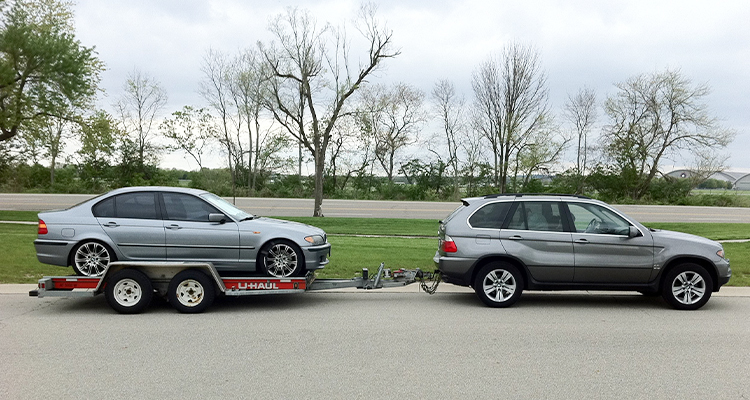
Tips To Safely Tow A Trailer If you are planning on buying a trailer and planning to tow it out to the lake or the wilderness for a bit of fun, there are things you need to know first. Towing a trailer can lead to certain issues if not done right. Minor details like adding a couple of hundred pounds to your rear can make profound changes in the rig’s stability. But by following a few simple guidelines, you can stay on track and tow the trailer with the utmost ease and safety. Towing a trailer can be scary at first but if done right you will feel confident and comfortable behind the wheel. In this blog post, we will discuss the basics you need to know to safely tow a trailer.
Hitch Your Vehicle Correctly

In order to drive safely, you need to hitch your vehicle safely. Make sure your hitch is on, locked in, and your cables are connected and working properly. Pay attention to your weight distribution. Look at your tow vehicle and trailer, you should observe a nice flat plane between the two. If it is tipping towards the hitch, or tipping away from it, then it is not well balanced. The best way to check for weight distribution is to go to a truck scale and have them measure the weight on all tires. This will give you an idea about the weight distribution of each tire on your vehicle.

Check Your Visibility

It’s important to check your visibility while driving your vehicle with a trailer. If you don’t have a rearview camera for your trailer, your rearview will be limited to the side mirrors of your tow vehicle. In that case, install side mirror extensions that will give you a wide-angle view along with your normal mirror view. To drive safely you need to make sure that you can see behind your vehicle with the trailer. Compromised vision can lead to an accident.

Check Your Brakes And Brake Controller

Before you get on the road make sure that your brakes and brake controller are working properly. A brake controller controls the brakes of the trailer, it turns on the brakes of the trailer when you hit the tow vehicles’ brakes. There is a setting in the brake controller that will allow you to set how hard it applies the trailers’ brakes. You can test the brakes by driving at 10mph and then apply the brakes as you would for a normal stop. The trailer should tug back at the vehicle just a tiny bit before you come to a full stop. But if you don’t feel the trailer tug, or worse, you feel it pushing you, then you need to turn the brake controller setting higher. If your stop is super jerky then you need to lower the brake setting.

Know Your Height

It’s important that you know the height of your trailer. As you would not want to hit the bottom of a sign while traveling on the road or scrap your trailer’s top while going under a bridge. Hence, it is important that you measure the height of your trailer to avoid any passage marked with a lower clearance than that value.

Final Word

Towing a trailer can be a difficult job if you follow the above-mentioned tips you will be able to tow your trailer safely. However, you are not alone on the road. You can still get into an accident. In that case, you will need a professional towing company to safely tow your vehicle.

About Ontario Towing

Ontario Towing is known for its professionalism in providing the best roadside assistance services. We have experienced staff who work day and night to ensure our customer’s safety and ease. For more information visit our website or contact us today. Ontario Towing, operating from Ottawa, offers unparalleled towing, car lockout, and roadside care. Their holistic suite encompasses services like mobile tire adjustments and gas delivery, ensuring top-notch support throughout Ottawa and nearby regions.

Different Types Of Tow Trucks

Different Types Of Tow Trucks A vehicle breakdown when you least expect it is challenging and frustrating. Depending on the location where your car has broken down, you might have to call for towing services or roadside assistance. Apart from towing broken down vehicles, tow trucks are used to transport impounded, disabled, improperly parked, and scrapped motor vehicles from one point to another. Tow trucks are also used to recover damaged vehicles in an accident. They safely tow these vehicles from the accident area to a repair workshop. You call these towing companies whenever you are stuck in the middle of the road with a broken car and they help you get your vehicle to the automobile repair center. There are several different types of tow trucks available, and depending on your needs and situation, it is essential to choose one that works for your vehicle.
Flatbed Tow Truck

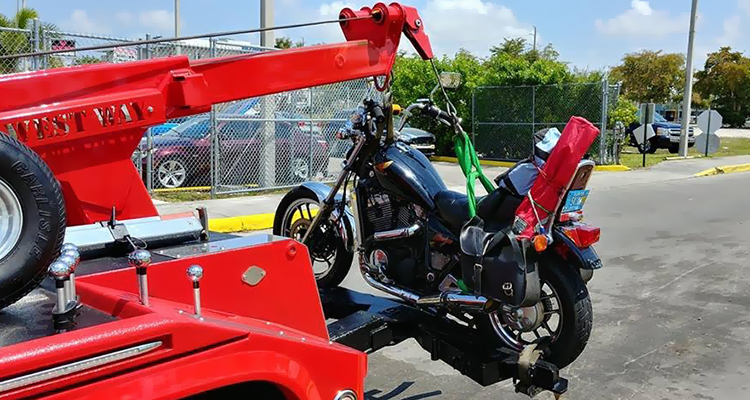
This is one of the most widely and commonly used types of towing vehicles in the world. A flatbed truck has a long empty bed with a flat top. They have hydraulics that move the flatbed upwards and downwards. What makes flatbed trucks easy to use is that you can simply drive your vehicle up the ramp, or have it pulled up. They are mostly used to transport damaged vehicles. One of the best things about flatbed tow trucks is that it keeps cars entirely off the ground. Flatbed towing is more like carrying the vehicle than towing it. They are also called tilt trays, slide, and rollback trucks.

Boom Tow Truck

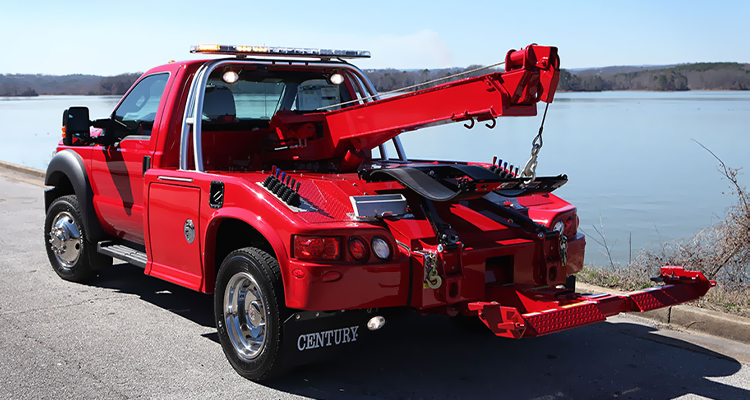
A boom truck is equipped with a hydraulic arm that is called the boom. It uses that hydraulic arm to tow vehicles. This boom reaches out past the end of the vehicle, and grabs the vehicle that needs to be towed. Heavy-duty boom trucks are like a smaller version of cranes. Some boom trucks have a fixed boom whereas some have adjustable and moveable hydraulic arms. Older boom tow trucks used the traditional hook and chain method to tow a vehicle. But now the latest boom trucks use a belt and slings to tow vehicles which is a bit safer method.

Wheel-lift Tow Truck

A wheel-lift tow truck uses a mechanism similar to the hook and chain method. The only difference is that they use a metal yoke instead of a chain which minimizes the risk of damaging the vehicle. The metal yoke goes under the front wheels of the vehicle and lifts the vehicle. The truck tows the car while the back wheels remain on the ground. Since no chain is in place, there is much less chance the front bumper will get damaged.

Integrated Tow Truck

An integrated truck uses two mechanisms. When a boom and wheel-lift are combined we get an integrated tow truck. Integrated trucks are used for small purposes where a full boom truck may not be necessary. They are also called self-loaders because the integrated trucks can control the interior of the vehicle. This way operators can tow the vehicle without even exiting the tow truck. Integrated trucks can also be used for heavy-duty towing, as the arms of these trucks are heavily embedded into the core of the vehicle, which makes them more capable and stable.

Final Word

Tow trucks can be classified into different categories depending upon their sizes, power, function, and capacity. Now that you have a better understanding of what the different tow truck types are, you can decide which one you may need. If you ever need a tow truck, you need to explain the whole situation clearly and ask for the towing truck that fits your needs.

About Ontario Towing

Ontario Towing is known for its professionalism in providing the best roadside assistance services. We have experienced staff who work day and night to ensure customer safety and ease. For more information, visit our website or contact us today. Ontario Towing, an Ottawa-based firm, excels in premium towing, car lockout, and adept roadside assistance. Their wide-ranging solutions, from on-the-spot tire services to gas deliveries, consistently serve Ottawa and its surrounding territories.

Things You Should Keep In Mind Before Getting Your Motorcycle Towed

Things You Should Keep In Mind Before Getting Your Motorcycle Towed When we talk about towing, most of us automatically think about towing a car or a larger vehicle such as a jeep or a SUV. Many people don’t know that motorcycles are also often towed especially during the riding season. Some bikers get into accidents while others find themselves facing technical issues. In events like these, the bike has to be towed to the rider’s house or to a mechanic. Similar to car towing, there are several technicalities involved when it comes to towing a bike. Some people even say that bikes are at more risk of damage since they are more delicate and are supported by two tires instead of four. With riding season just around the corner, many people are preparing themselves and their vehicles for long rides. In addition to helmets, elbow pads, knee pads and other safety equipment, it is also important for you to familiarize yourself with the towing process and keep a towing company’s number handy. In case you have to get your bike towed, there are a few things you should be familiar with. This blog post lists all the important aspects of getting your bike towed.
Required Equipment

Whether you are riding an ATV, a heavy bike or a cruising bike, towing it will require certain specialized equipment to ensure that the bike is safely docked. Not docking the bike properly or carelessly moving it up the ramp can lead to further damage. The equipment needed to safely load and dock your bike include:

Ramp

Carrying the bike or loading it onto the truck via ropes is a very bad idea. There is a high probability that during the inefficient loading, the bike will fall and will endure more damage. In addition to this, the ropes can lead to further breakages, cracks and scratches on the bike. With the help of a ramp, you can ensure that there won’t be any slip-ups. Some companies also tend to use wooden planks to load the vehicle. Since the planks are not specifically designed for loading, they can break in between loading and cause major damage to the vehicle.

Adequate straps

One of the most essential pieces of equipment to properly tow a bike is straps. Your towing company should use high quality straps that can hold down the motorcycle firmly, keeping it from moving. Some companies use bungee cords or regular ropes. However, these are inefficient at securing the motorcycle completely and leave room for movement that can cause damage to its paintwork.

Chocks

The safest way to tow your motorcycle is by hiring a trailer with pre-fitted chocks. However, if the trailer doesn’t have chocks, you can always ask the company to bring portable chocks to place them in front and behind the tires to prevent the motorcycle from moving back and forth. They help reduce the stress on the straps and keep the bike steady on the trailer.

Bikes Endure More Damage Than Cars

You should always keep in mind that it’s much easier for a bike to fall than any other vehicle with four or more wheels. Hence, while towing a motorcycle, there are many other factors that have to be kept in mind. If you are not hurt and were not in an accident, you should join the trailer driver to ensure that the speed is appropriate and it will not lead to your motorcycle falling from the trailer. No matter how properly you secure the motorcycle to the trailer, there will still be some amount of movement left. Hence, the speed of the towing vehicle should be adjusted such that the motorcycle doesn’t move a lot.

Do You Really Need A Motorcycle Towing Service?

If you are in the middle of nowhere and your motorcycle stops suddenly, you must call for a towing service. There may be a nice passerby that may offer you help but without adequate equipment, having them tow your vehicle might cause more damage to it. Keep in mind that not all towing services offer motorcycle towing, so having a company that you can contact that is available all the time is crucial. Moreover, some towing companies only offer their services in certain localities.

About Us

Ontario Towing is one of the most reliable and experienced towing service providers near you. Hire us to get professional and risk-free roadside assistance to get yourself back on the road. To get in touch with us, click here. From Ottawa, Ontario Towing provides outstanding towing, car lockout, and roadside services. Their expansive roster includes mobile tire solutions and gas deliveries, positioning them as a go-to resource for Ottawa and its adjacent areas.

What Can A Long-term Shutdown Do To Your Car?

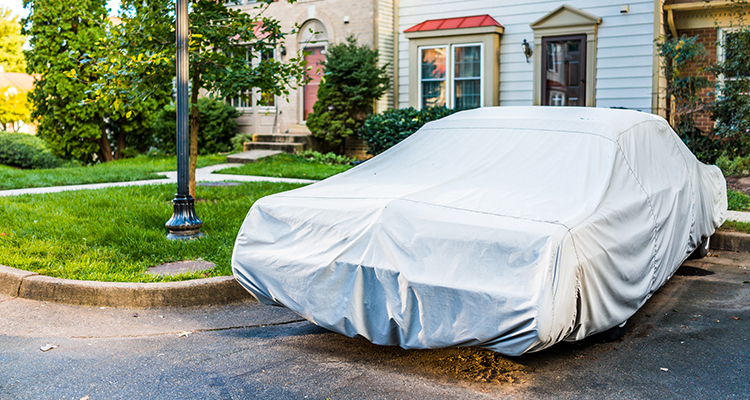
What Can A Long-term Shutdown Do To Your Car? Has your car been sheltering in your driveway for months due to one reason or another? Whether you were too busy to take your car out or didn’t have anywhere to go, it is important to understand that your vehicle can develop a bunch of costly issues if you don’t exercise its motors every now and then. Experts say that even if you don’t have anywhere to go, you should drive your car for at least 20 minutes each week. This will help keep its battery charged and prevent rust from building up on the brakes and calipers from seizing up. Some of the most typical problems that your car could develop if you were to leave it unattended for a few months include:
Drained Batteries

A cars’ batteries are usually charged by the engine when the car is turned on. Hence, vehicles that are left dormant for days could experience a drained battery, requiring you to jumpstart your car. Car batteries don’t only drain when you leave the lights on. They lose more charge and voltage when it sits without being used. To prevent this issue, all take your car for a little drive around town, even as little as 10 miles and over 50 mph speed.

Tire Issues

Tires are at a high risk of flat spots if they are not moved for more than two weeks. In some cases, if you are lucky, your tires may be fine after sitting idle for a month. However, after that your tires will flatten and meet the road’s surface due to low tire pressure and the vehicle’s weight. If your tires are not rotated regularly pressure will accumulate on the one spot causing the tires to flatten which could be dangerous on the road. While driving your car periodically can help, sometimes the damage is irreparable.

Animal Or Pest Infestation

Animals and pests usually look for quiet and undisturbed areas to lay their eggs or have babies. There have been cases where stray cats, rats, and rodents have made a home in an automobile used less frequently. Cats can bring their babies to your car, birds can build a nest while rodents can make it a permanent home. These animals can chew on the wires of your car leading to severe and expensive issues later on.

Faulty Brakes

Another common problem in dormant cars is faulty brakes. Since most expensive cars are made of cast iron, the brakes corrode very quickly. Not driving your car regularly can cause the brakes to rust. As opposed to this, when you drive, the rotating pads scrape off the corrosion, cleaning them right up.

How To Deal With Dormant Car Issues

The best way to prevent your car from developing issues that require replacement or certain parts and expensive repairs is to take your car out for a drive at least once a week. However, if your car has already developed certain issues, it is best that you do not continue to drive it. Instead call a roadside assistance service. The professionals will help you understand what needs to be done to deal with the issue. They will also transport your car to a qualified mechanic. Ontario Towing is one of the most reliable and experienced towing service providers near you. Hire us to get professional and risk-free roadside assistance to get yourself back on the road. To get in touch with us, click here. Ontario Towing, located in Ottawa, specializes in superior towing, car lockout solutions, and comprehensive roadside assistance. Their wide array of services, including mobile tire aid and long-distance towing, covers Ottawa and its adjacent communities seamlessly.

What You Need To Know About The Towing Process And Why

What You Need To Know About The Towing Process And Why You drive your car daily on the road but never know when something might happen with it. On a bad day, you might suddenly find yourself stranded on the road. It is such an unexpected and troubling situation that many people don’t know what to do. Most of the problems you face in such a situation are due to your unawareness of the entire towing process. You must have some level of knowledge and information about how towing is done and the different types of services a professional towing company offers. In this blog we talk about why it is important for you to have some knowledge of the towing process and how it can help you in unprecedented situations.
To Identify Which Service You Need

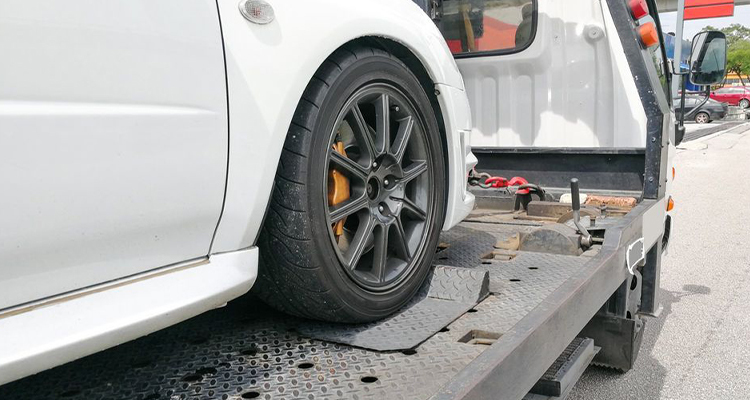
If you have no knowledge on how different towing processes are carried out, you can’t be sure of which type of towing service you need to hire. For instance, do you need a towing service, a recovery truck, a winching service, or a tilt deck tow truck? The answer to these questions becomes easier if you have some basic knowledge to figure out what suits your situation the most.

To Identify Any Mistakes Of Towing Staff

If you know what is going on during the towing of your car, you can figure out if the towing experts are doing something that you don’t want them to do with your car. For instance, whether you want them to tow your car or load it on a truck and transport it to your destination. You should be able to differentiate between the different services a towing company offers. It can also help you, if you know a bit more than just the basics, to identify if the staff is doing something wrong while towing your car.

Avoiding Any Damage To Your Car

The most significant advantage of identifying the experts’ mistakes is that you can prevent yourself and your car from receiving any damage during the towing process. You must know what the towing staff is doing and what may go wrong while your car is being towed.

Avoiding Inappropriate Towing Solutions

When you have some knowledge about the towing process, you can see which solution is the most appropriate and which one is inappropriate or may prove to be unnecessarily costly. You might ask the towing experts to come up with some alternative that might be more appropriate in your specific case.

How Much You Need To Know About Towing

The more you know about it, the better position you are in when the towing staff is towing your car. At the very least you should know the difference between different towing services. Knowing this will help you make the right decision at the right time. Having some basic knowledge about the towing companies near you is also critical. Hiring the best towing company avoids so many problems and mitigates several risks. Ontario Towing is the most reliable and experienced towing service provider near you. Hire us to get professional and risk-free roadside assistance to get yourself back on the road. To get in touch with us, click here. Ontario Towing, based in Ottawa, delivers exceptional towing, car lockout, and roadside help. With offerings like mobile tire services and long-distance hauls, they are a trusted resource for Ottawa and surrounding areas.  

Safety Tips For Towing Your Vehicle

Safety Tips For Towing Your Vehicle Have you ever had your car breakdown in the middle of nowhere? In situations like these, your first natural instinct may be to try a bunch of different techniques like jump-starting the battery, checking the spark plugs and checking the battery connections. However, such actions seldom work especially if you don’t have prior experience. So the last option you are left with is to tow your car or get it towed from professional hauling service. Getting your car towed by an experienced tow truck company or pickup trailer is the safest option but if you find yourself stranded in a remote location where it is difficult to arrange a pickup trailer, you might end up having to take the services of an inexperienced company. Unusual incidents like this can happen at any time so it is best to be prepared. In this blog, we have discussed some pointers that can help you safely tow your vehicle.

Knowledge About Your Vehicle

Every job requires the use of certain tools and expertise for completion. Before you perform any towing task, it is important that you read your car’s manual to check the tow rating of your car. Normally, sport utility vehicles and large trailers have tow hitches pre-installed but unfortunately they are excluded in normal passenger cars. You should know whether the car you are towing is a two-wheel or four-wheel drive vehicle and check its engine transmission.

Crucial Aspects You Should Consider

First, make sure your towing vehicle is big enough to tow the towing vehicle so that it can easily accelerate, decelerate and can perform engine brakes. Secondly, make sure nobody is sitting in the car that is being towed except for someone on the driver seat to position the car on the road and hit the brakes when needed. Shift the gear of the car being towed to neutral and turn on the ignition switch to prevent the auto-locking feature. If you are towing a vehicle at night or during hazy weather turn on the hazard lights of the car being hauled to alert other fellow drivers.

Towing A Car With A Tow Strap

This is not the safest method to pull a car to your desired destination. But you can use this method to cover short distances. Don’t use any old chain or weak rope for this purpose. Use a proper tow rope that has a length of at least 4-5 metres so that the car being tugged will have sufficient time to stop. Make sure that the tow strap is not delicate, old or damaged. If the strap is damaged it won’t be capable of bearing the load and may cause serious implications for others travelling on road. Most tow straps come with an (on tow) indication which needs to be displayed on the rear of the car.

Use Of Tow Dolly To Pull Vehicle

Various methods are used to tow the cars. One popular method is the use of a mini trailer-like structure called a tow dolly. In this method, the front wheels of the vehicle are elevated above the ground and are fixed on a dolly whereas the rear wheels are continuously in contact with the ground. Normally it is considered good for cars to have a front-wheel-drive option but effective transport depends on the weight, size and wheelbase of your car.

Utilizing Tow Bars

The most common method used to carry a vehicle is by using tow bars. There are two variations, RV mounted, which is a tow bar that is inserted into a trailer hitch, and A-frame trailer which connects to a trailer hitch via a coupler. A coupler fits safely and pivots on the tow vehicles’ tie ball to ensure safe connection.

Hiring A Tow Trailer

Pulling a vehicle requires certain skills and experience. Professional towing companies hire and train staff to prevent your car from being further damaged. So employing a towing trailer is by far the safest option to tow a car. The vehicle is overhauled inside the trailer and it is hooked.

Important Driving Tips

When on the road there are certain rules and restrictions you must follow. When towing a car you need to be even more attentive as a slight blunder can result in serious injury to others on the road. Drive slower as the additional pressure on your vehicle will curtail the braking system of your car. Avoid immediate braking when pulling a vehicle with your car. Keep an eye on the road and beware of other drivers and use proper turn signals. To ensure security check the quality of your tires before starting your journey.

About Ontario Towing

At Ontario Towing, we offer reliable and expert roadside assistance services to our customers in Ottawa, Kanata, Orleans, Gloucester, Barrhaven, and surrounding areas. Contact us today for more information on our services. Headquartered in Ottawa, Ontario Towing stands out with its premium towing, car lockout, and expert roadside services. From mobile tire assistance to long-distance towing, they cater diligently to Ottawa and its neighboring locales.