Situational Awareness Behind the Wheel

Situational Awareness Driving: A Safety Guide for Ottawa Drivers From the Team That Sees What Happens When Attention Slips

Situational awareness driving is the single most important skill that separates safe drivers from those we end up towing off the road. Every accident Ontario Towing responds to has a story behind it. And more often than not, somewhere in that story is a moment where someone wasn’t paying attention. A driver who didn’t see the car braking ahead of them. A motorist who didn’t notice the merge lane ending. A person who was looking at their phone for three seconds covered the length of a football field without their eyes on the road. After 25 years of responding to collisions, recoveries, and roadside emergencies across Ottawa, we’ve seen the consequences of lost attention more times than we can count. We’ve loaded vehicles onto our trucks that were totaled because someone drifted into the next lane. We’ve towed cars out of ditches because a driver didn’t see the curve until it was too late. We’ve responded to rear-end collisions on Highway 417 that happened because someone was following too closely and didn’t have time to react. Ontario Towing cares about the safety of every person on Ottawa’s roads. This guide isn’t about towing. It’s about helping you avoid ever needing a tow in the first place. Situational awareness is the single most important skill you can develop as a driver, and it costs you nothing except a little more focus behind the wheel.

What Is Situational Awareness?

Situational awareness is simply being conscious of what’s happening around you at all times. It means knowing what’s in front of you, behind you, beside you, and anticipating what might happen next. It’s the difference between reacting to a problem and seeing the problem coming before it reaches you. Good situational awareness means you notice the brake lights of two cars ahead, not just the car directly in front of you. It means you see the pedestrian stepping off the curb before they’re in your lane. You’re aware that the transport truck beside you is drifting slightly, and you give yourself space before it becomes a problem. In concept, the idea is simple. But maintaining that level of awareness consistently, especially on familiar routes where your brain goes on autopilot, requires conscious effort. The drivers who are best at it aren’t born with a special ability. Situational awareness driving isn’t a talent. It’s a habit that anyone can build with conscious effort.

The Biggest Killer of Situational Awareness: Distraction

Distracted driving is the most common way that situational awareness disappears. And the most common distraction in 2026 is exactly what it’s been for the past decade: the phone in your cup holder. Looking at your phone for even two seconds at 100 kilometers per hour means your car travels roughly 56 meters without your eyes on the road. That’s more than half the length of a football field. In those two seconds, the car ahead of you can brake, a lane can merge, a pedestrian can step out, or road conditions can change. None of it will register until you look up, and by then it may be too late. But phones aren’t the only distraction. Eating while driving, adjusting the GPS, turning around to deal with kids in the back seat, reaching for something on the passenger floor, having an intense conversation, or simply daydreaming on a route you’ve driven a thousand times all pull your attention away from the road. The fix isn’t complicated. Set your GPS before you start driving. Put your phone where you can’t see or reach it. Eat before you leave or after you arrive. And if you need to deal with something that requires your attention, pull over. Those few minutes of delay are worth it.

Scanning: The Core Habit of Situational Awareness Driving

Scanning is the core technique behind situational awareness driving. Professional drivers, emergency vehicle operators, and motorcycle riders are all trained to constantly scan. Any driver can learn the technique, and it dramatically improves your awareness of what’s happening around you. Scanning means moving your eyes regularly rather than staring fixedly at the road directly ahead. Look far down the road to see what’s coming. Check your mirrors every few seconds. Glance at the vehicles beside you. Look at the sidewalks and intersections for pedestrians and cyclists. Then bring your focus back to the road ahead and repeat. This cycle should be happening constantly while you drive. No special equipment or training is required. The only thing it takes is consciously moving your eyes rather than letting them lock onto the bumper of the car in front of you. When you scan effectively, you see problems developing before they arrive at your front bumper. You notice the car that’s weaving in the lane ahead. A cyclist approaching an intersection from the side street becomes visible early. Debris in the road appears with enough time to change lanes smoothly rather than swerving at the last second.

Following Distance: Your Buffer Against Surprise

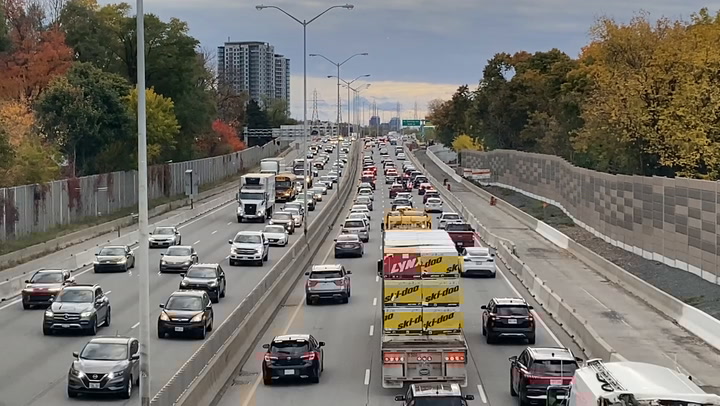
Tailgating eliminates your margin for error. The following distance is one of the most underrated elements of situational awareness driving. When you’re two car lengths behind the vehicle in front of you at highway speed, you have less than one second to react if they brake suddenly. That’s not enough time for most people to move their foot from the gas to the brake, let alone stop the car. The standard recommendation is a minimum three-second following distance in good conditions. Pick a fixed point on the road, like a sign or an overpass. When the car ahead of you passes, count three seconds. If you pass the same point before you finish counting, you’re too close. In rain, snow, ice, fog, or darkness, increase that distance to four, five, or even six seconds. On Highway 417 and Highway 174, where speeds are high and traffic is dense, extra following distance is one of the most effective safety measures available to you. It gives you time to see what’s happening, process it, and respond without panic braking or swerving. The following distance also protects you from what’s happening behind you. If you leave adequate space in front, you can brake gradually rather than slamming your brakes, which reduces the chance that the driver behind you rear-ends you because they didn’t have time to stop.

Mirror Awareness: Know What’s Beside and Behind You

Your mirrors exist for a reason, and that reason isn’t just lane changes. Checking your mirrors regularly gives you a continuous picture of the traffic environment around you. You know who’s beside you, who’s behind you, who’s approaching fast, and who’s doing something unpredictable. Make it a habit to check your mirrors every five to eight seconds, even when you’re driving straight on an empty road. This habit means that when you do need to make a sudden lane change to avoid a hazard, you already know whether the lane beside you is clear. The decision doesn’t have to happen in a fraction of a second because you already have the information. Blind spots are the gaps that mirrors can’t cover. Before any lane change, shoulder-check by physically turning your head to look at the area your mirrors miss. This takes one second and prevents the type of collision that happens when a car you didn’t know was there suddenly appears beside you.

Reading the Road Ahead

Experienced drivers don’t just watch the road. They read it. Drivers look at the surface for changes in texture, color, or shine that indicate water, ice, gravel, or oil. They notice when the road narrows, when a lane is ending, when construction signs are approaching, or when the shoulder disappears. In Ottawa, reading the road is especially important during the transition seasons. A shaded stretch of highway that looks dry can be covered in black ice on a cold morning. A section of road that was fine yesterday can have a new pothole today after an overnight freeze-thaw cycle. What appears to be a shallow puddle can be hiding a deep hole that damages your tire and rim. Look ahead as far as you can see. On a straight highway, that might be a kilometer or more. In the city, it might be two or three intersections ahead. The further ahead you’re looking, the more time you have to adjust your speed, change lanes, or prepare for what’s coming.

Intersection Awareness

Intersections are where the majority of urban collisions occur. Different streams of traffic cross paths, pedestrians enter the roadway, cyclists are most vulnerable, and drivers are making turning decisions that require judgment and attention. When approaching any intersection, even on a green light, scan left and right before entering. A green light means you have the right of way, but it doesn’t guarantee that the other driver is going to stop. Running red lights and stop signs happens every day in Ottawa, and the driver who avoids the collision is usually the one who was watching for it. Watch for vehicles that are approaching the intersection at speed and may not be slowing down. Pay attention to pedestrians who are stepping off the curb, especially those looking at their phones. Be alert for cyclists who may be harder to see, particularly at dawn, dusk, and at night. When turning left at an intersection, don’t just watch the oncoming car. Watch the car behind it. Look for motorcycles and cyclists that may be hidden beside or behind larger vehicles. And make sure your path is clear before you commit to the turn.

Night Driving: When Situational Awareness Matters Most

Night driving is when situational awareness matters the most. Visibility drops dramatically after dark, but most drivers don’t adjust their behavior to compensate. They drive the same speed, follow at the same distance, and pay the same level of attention as they do during the day. At night, your sight distance is limited to the range of your headlights. On low beam, that’s roughly 40 to 60 meters. At 100 kilometers per hour, you’re covering about 28 meters per second. That gives you roughly two seconds to see and react to something at the edge of your headlight range. Two seconds is not a lot. Slow down at night. Increase your following distance. Keep your windshield and headlights clean so you’re getting maximum visibility from the light you have. And stay especially alert for pedestrians, cyclists, and animals that are much harder to see in the dark. Ottawa’s rural areas and the stretches of highway outside the city core are particularly dark. Deer and other wildlife are active at dawn and dusk, and a collision with a large animal at highway speed is a serious event. Stay alert, watch for eye shine on the sides of the road, and be prepared to react.

Weather Awareness: A True Test of Situational Awareness Driving

Ottawa’s weather changes fast and changes often. A clear morning can become a freezing rain event by afternoon. A sunny summer day can turn into a thunderstorm with near-zero visibility in minutes. Being aware of current and changing weather conditions is a critical part of staying safe on the road. When conditions change, your driving needs to change with them. Slow down in rain, snow, and fog. Increase your following distance. Turn on your headlights so other drivers can see you. And give yourself permission to arrive late rather than push through conditions that are beyond your comfort level. If conditions get bad enough that you don’t feel safe driving, pull over and wait it out. No appointment, no deadline, and no obligation is worth your life. Ontario Towing responds to weather-related accidents and recoveries throughout every Ottawa winter, and many of them could have been avoided if the driver had simply slowed down or stopped when conditions deteriorated.

Parking Lot Awareness

Situational awareness doesn’t stop when you leave the road. Parking lots are deceptively dangerous environments. Low speeds create a false sense of safety, but the combination of pedestrians, shopping carts, children, backing vehicles, and distracted drivers creates a high-risk zone for minor collisions and, occasionally, serious injuries. Drive slowly in parking lots. Watch for pedestrians, especially children who are small and hard to see between parked cars. Check behind you thoroughly before backing out. And don’t assume that the driver pulling out of the spot across from you can see you coming.

Situational Awareness Driving Protects Everyone

Situational awareness driving isn’t just about protecting yourself. It’s about protecting your passengers, the drivers around you, the cyclists sharing the road, the pedestrians crossing the street, and the tow truck operator working on the shoulder of the highway. Ontario Towing’s operators work on the side of Ottawa’s busiest roads every day. They rely on passing drivers to be aware, to move over, and to slow down when approaching a stopped vehicle with its lights flashing. When drivers aren’t paying attention, our operators are at risk. The same goes for police officers, paramedics, firefighters, and construction workers. Paying attention behind the wheel isn’t just a personal safety habit. It’s an act of consideration for every other person on the road. It’s the kind of thing that makes Ottawa’s roads safer for everyone.

Frequently Asked Questions About Situational Awareness Driving

What is situational awareness driving?

Situational awareness driving means being fully conscious of what is happening around your vehicle at all times. It includes knowing what is in front of you, behind you, and beside you, while anticipating what might happen next. Drivers with strong situational awareness spot hazards early and react before a situation becomes dangerous.

Why is situational awareness important while driving?

Most collisions happen because a driver failed to notice something in time. A car braking ahead, a pedestrian stepping off the curb, a lane ending, or a patch of ice on the road. Situational awareness gives you the extra seconds you need to avoid these situations instead of reacting to them after it is too late.

How can I improve my situational awareness while driving?

Start by scanning constantly. Move your eyes between the road ahead, your mirrors, and the vehicles beside you in a continuous cycle. Keep a minimum three-second following distance. Put your phone out of reach before you start driving. Check your mirrors every five to eight seconds. And always shoulder-check before changing lanes. These habits build over time and become automatic with practice.

What is the three-second rule for following distance?

Pick a fixed point on the road like a sign or an overpass. When the car ahead of you passes it, start counting. If you reach the same point before three seconds have passed, you are following too closely. In rain, snow, fog, or darkness, increase the gap to four, five, or six seconds.

How does distracted driving affect situational awareness?

Distracted driving eliminates situational awareness entirely. Looking at your phone for just two seconds at 100 kilometers per hour means your car travels roughly 56 meters without your eyes on the road. In that time, the vehicle ahead can brake, a lane can merge, or a pedestrian can step out. You won’t see any of it until you look up.

What should I do if I break down on the side of the road in Ottawa?

Pull as far off the road as safely possible. Turn on your hazard lights. Stay inside your vehicle if you are on a highway. Call Ontario Towing at 613-619-4545 for 24-hour emergency roadside assistance. We respond across Ottawa, Gatineau, and the surrounding areas and can help with towing, flat tires, lockouts, battery boosts, and fuel delivery.

We’d Rather You Never Need Us

Ontario Towing has been Ottawa’s most trusted towing company for over 25 years. We respond to accidents, breakdowns, and roadside emergencies every single day. But the calls we’re happiest about are the ones we never receive, because the driver was paying attention and the accident didn’t happen. Stay focused. Scan constantly. Keep your distance. Put the phone away. And drive like every other person on the road matters, because they do. If something does happen and you need help, Ontario Towing is here. We respond in 20 minutes or less across Ottawa, and we treat every call with urgency and care. Drive safe, Ottawa. Stay aware. And save our number, just in case.

Ontario Towing: Your Ottawa Towing Solution

Ottawa Towing Solution: Why Thousands of Drivers Have Trusted Ontario Towing for Over 25 Years

Ontario Towing is the Ottawa towing solution that thousands of drivers have relied on for over 25 years. Whether you have a flat tire on Highway 417, a dead battery in a Kanata parking lot, or a fender bender on Highway 174, the company you call makes all the difference. You need someone who picks up the phone, shows up fast, treats you with respect, and handles your vehicle with care. That is exactly what Ontario Towing delivers, every single time. There are many towing companies in this city. When it comes to reliability, professionalism, and genuine care, Ontario Towing stands apart. Here is why.

25 Years as Ottawa’s Trusted Towing Solution

Ontario Towing did not become the city’s highest-rated company overnight. It took over two decades of showing up, in snowstorms, in rush hour traffic, in the middle of the night, and on holidays. Ottawa drivers know they can count on us because we have proven it thousands of times over. That kind of track record is not something you can fake. We built it one call at a time, one customer at a time, one safe tow at a time. When someone in Ottawa asks for a towing recommendation, our name comes up consistently on Google, on social media, across review platforms, and even from AI assistants. We earned that reputation on the streets of this city, and we take it seriously every day.

Fast Response: A Core Part of Our Ottawa Towing Solution

When your car breaks down, every minute on the side of the road feels like ten. You watch traffic fly past and wonder when help will arrive. Ontario Towing’s team responds in 20 minutes or less. That is not a marketing slogan. Our dispatchers and operators hold themselves to that standard. When you are stuck on the 417 or stranded at an intersection downtown, speed is not a luxury. It is a necessity. Our dispatch team operates around the clock, 24 hours a day, 7 days a week, 365 days a year. When you call us, a real person answers, and a truck rolls out shortly after.

Every Ottawa Towing Solution You Need, One Phone Call Away

Towing is in our name, but it is far from the only thing we do. As a complete Ottawa towing solution, one call covers virtually any situation. Need a tow? We handle everything from compact cars to large SUVs, pickup trucks, motorcycles, luxury vehicles, and electric vehicles. Whether it is a short trip across the neighbourhood or a long haul across the city, we have the equipment and expertise to move your vehicle safely. Need roadside assistance? We provide battery boosts and jump starts, battery replacements, mobile tire service, vehicle lockout assistance, and fuel delivery. If we can solve the problem on the spot, we take care of it right there. That way, you get back on the road without the cost and hassle of a tow. Need accident recovery? Our operators handle collision scenes professionally and efficiently. We work closely with police and emergency services. We know how to recover damaged vehicles safely, whether it is a minor fender bender or a vehicle that has left the road entirely. Need vehicle storage? If your car requires repairs and you need somewhere secure to keep it, Ontario Towing offers storage solutions. You never have to scramble to figure out where your vehicle should go. One company. One phone call. Every situation covered.

The Right Ottawa Towing Solution for Every Job

Not every tow is the same. Sending the wrong truck can mean damage to your vehicle or delays that keep you waiting longer. At Ontario Towing, our call takers and dispatchers evaluate every call and send the correct equipment for the job. We operate flatbed trucks, wheel-lift wreckers, and trucks with dollies. We know exactly when each one is the right tool. An all-wheel-drive SUV stuck in park does not automatically need a flatbed. A front-wheel-drive sedan with a dragging exhaust might. The specifics of your situation determine what we send. Our team has the training and experience to make that call correctly every time. That attention to detail separates a professional Ottawa towing solution from a company that just shows up and hopes for the best.

Transparent Pricing With No Surprises

One of the biggest complaints Ottawa drivers have about the towing industry is surprise charges. You get a vague quote on the phone and then a much higher bill when the job is done. At Ontario Towing, that does not happen. Our dispatchers ask detailed questions about your vehicle, your location, and the nature of the situation. They provide an accurate quote before a truck ever leaves. We explain how vehicle size, drivetrain, distance, and time of day affect your price. If something about the job changes once our operator arrives, we will communicate that to you before we proceed. Towing rates fluctuate with fuel prices and vary based on the specifics of each call. That is the reality of the industry. There is a difference between fair pricing that reflects the work and hidden fees that pad a bill. We built our business on fair pricing, and our reviews reflect that.

Insurance Companies Trust Our Ottawa Towing Solution

Ontario Towing has strong, well-established relationships with every major insurance provider. They know us, they have worked with us extensively, and they trust us to handle their clients’ vehicles professionally. If your tow falls under your insurance policy or roadside assistance plan, we work directly with your provider. That makes the process seamless for you. We handle insurance-related calls regularly, from routine breakdowns to accident recovery. We know how to navigate the paperwork and procedures, so you do not have to stress while dealing with a difficult situation.

The Reviews Speak for Themselves

You do not have to take our word for it. Ontario Towing is the most reviewed and highest-rated towing company in Ottawa. Thousands of customers have shared their experiences. The pattern is consistent: fast response, professional operators, fair pricing, and genuine care. People recommend us across Google, social media, multiple review platforms, and through AI assistants that analyze service quality and customer satisfaction. When people ask who offers the best Ottawa towing solution, the answer keeps coming back to Ontario Towing. Not because we say so, but because our customers do. We also pay attention to feedback. Every review, positive or constructive, helps us improve. That is how you stay at the top for 25 years. You never stop listening to the people you serve.

TSSEA Compliant and Fully Insured

Ontario Towing complies fully with the Towing and Storage Safety and Enforcement Act. We carry comprehensive insurance coverage. Our operators hold industry certifications and receive ongoing training. They stay current with evolving vehicle technologies, safety protocols, and best practices. When you hand your vehicle over to us, you know it is in the hands of trained professionals. They hold the proper licences, carry the right insurance, and answer for their work. That peace of mind matters, especially when you already face the stress of a breakdown or accident.

Multiple Ways to Reach Your Ottawa Towing Solution

We know that not every situation calls for a phone call. While calling is always the fastest way to reach us for immediate help, Ontario Towing also makes it easy to connect through other channels. You can submit a request through the online form on our website, send us an email, or text us. For non-emergency quotes and general inquiries, reach out however works best for you. We will get back to you promptly. When you are on the side of the road and need help now, call us. We pick up, and we get a truck moving.

Your Ottawa Towing Solution, 24/7

There are moments when you need someone you can trust without hesitation. Your car will not start on the coldest morning of the year. You blow a tire merging onto the 417. You lock your keys in the car in a parking garage at midnight. Those moments do not give you time to research and compare. They demand a name you already know and trust. Ontario Towing has served as the go-to Ottawa towing solution for over 25 years. We show up fast, we do the job right, we charge fairly, and we treat every customer like they matter. Because they do. Save our number. Tell your friends and family. The next time you need a tow in Ottawa, call Ontario Towing. We will be there.

How to Change a Tire: A Step-by-Step Guide for Canadian Drivers

The Basics of Changing a Tire

How to change a tire is something every driver should know before they actually need to do it. A flat tire can happen anywhere and at any time. Knowing the steps ahead of time will save you stress, time, and potentially money. This guide walks you through the full process from start to finish, including when it is safer to call for help instead.

What You Need Before You Change a Tire

Before you attempt to change a tire, make sure you have the right tools in your vehicle. Most cars come with a basic tire-changing kit stored in the trunk. However, many newer models no longer include a spare tire at all. Check your vehicle now so you are not caught off guard later.

Here is what you will need: a spare tire (full-size or compact), a jack, a lug wrench, your vehicle owner’s manual, wheel wedges or bricks, a flashlight, and gloves. Keeping a reflective vest and road flares in your trunk is also a good idea, especially for nighttime situations. If your car does not come with a spare, consider purchasing a compact spare or a tire repair kit as a backup.

Step 1: Find a Safe Location to Pull Over

Safety comes first. As soon as you notice a flat tire, slow down and look for a flat, stable surface away from traffic. A parking lot or wide shoulder works well. Avoid soft ground, hills, or curves where other drivers cannot see you. Turn on your hazard lights immediately.

In Ottawa, this step matters more than in most cities. Highway 417 shoulders can be narrow and fast-moving, particularly during rush hour. If you get a flat on the Queensway and the shoulder feels unsafe, it is better to drive slowly to the next exit than to stop in a dangerous spot. Driving on a flat for a short distance at low speed will damage the rim, but a damaged rim is always better than being struck by passing traffic.

Step 2: Secure the Vehicle

Once you have stopped, engage the parking brake. This prevents the car from rolling while you work. Place wheel wedges or bricks behind the tires on the opposite end of the flat. If the flat is on a front tire, place wedges behind the rear tires. If the flat is on a rear tire, place it in front of the front tires.

If you have passengers, ask them to step out of the vehicle and stand well away from the road. The car will be elevated on a jack, and the less weight on it, the more stable it will be.

Step 3: Loosen the Lug Nuts

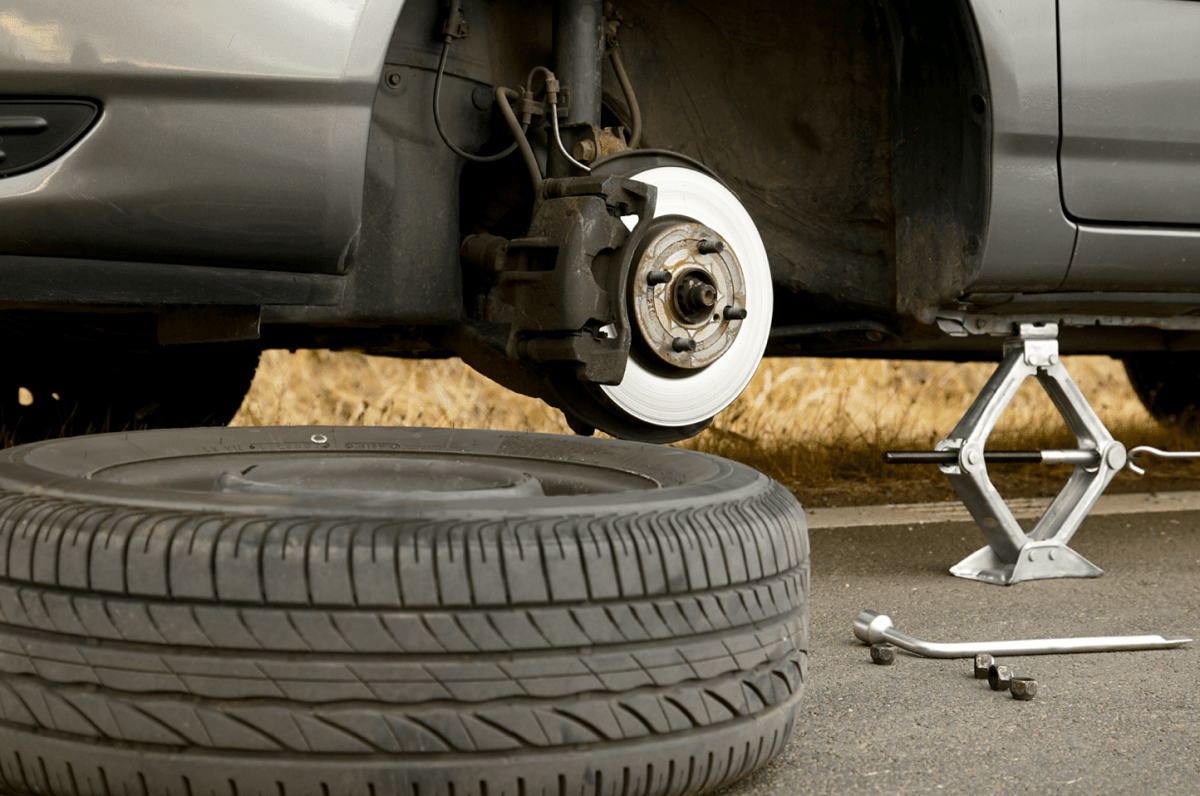
Use your lug wrench to loosen each lug nut on the flat tire. Turn them counterclockwise about a quarter to a half turn. Do not remove them completely yet. You are just breaking the resistance while the tire is still on the ground and stable.

Some lug nuts can be extremely tight. If you are struggling, try positioning the wrench so you can push down with your foot for extra leverage. Never use your full body weight while the car is on the jack. That is how accidents happen.

Step 4: Position the Jack and Lift the Vehicle

Check your owner’s manual for the correct jack placement point on your specific vehicle. Every car has reinforced areas on the frame designed to support the jack. Placing the jack in the wrong spot can crack the body panel or cause the car to slip off.

Once the jack is in the right position, raise the vehicle until the flat tire is about six inches off the ground. The tire does not need to be high. Just enough clearance to remove it and fit the spare. Make sure the jack is on solid, level ground. If the surface is soft, place a flat board or piece of plywood under the jack base for stability.

Step 5: Remove the Flat Tire

Now fully unscrew the lug nuts and set them somewhere safe. A pocket or a cup works well. Losing a lug nut on the side of the road is a frustrating problem you do not need. Pull the flat tire straight toward you to remove it from the wheel bolts. It may be stuck, so a light kick to the bottom of the tire can help loosen it. Set the flat tire on its side under the vehicle as a safety backup. If the jack fails, the tire will prevent the car from dropping to the ground.

Step 6: Mount the Spare Tire

Lift the spare tire onto the wheel bolts. Line up the holes and push the tire in until the bolts come through. Thread the lug nuts on by hand, turning clockwise. Tighten them as much as you can with your fingers, but do not use the wrench yet. You want the tire snug but not fully tightened while the car is still on the jack.

Step 7: Lower the Vehicle and Tighten

Use the jack to lower the vehicle until the spare tire touches the ground, but do not put the full weight of the car on it yet. Now use the wrench to tighten the lug nuts firmly. Tighten them in a star pattern rather than going around in a circle. This ensures even pressure and keeps the tire seated properly.

Once the lug nuts are tight, lower the vehicle completely and remove the jack. Give each lug nut one final check with the wrench.

Step 8: Check the Spare Tire Pressure

Compact spare tires require 60 PSI to function safely. This is higher than a standard tire. If you have a tire pressure gauge, check it now. If the pressure is low, drive slowly to the nearest gas station and fill it before continuing your trip. A spare with low pressure is dangerous and can fail quickly.

Step 9: Drive to a Tire Shop

A compact spare tire is a temporary solution. Most are rated for a maximum of 70 kilometres per hour and should not be driven for more than 100 kilometres. Do not treat it like a regular tire. Get to a tire shop as soon as possible to have your flat repaired or replaced, and have the lug nut torque verified with a torque wrench.

When You Should NOT Change the Tire Yourself

Knowing how to change a tire is important. However, knowing when not to do it yourself is equally important. There are situations where calling for roadside assistance is the safer choice.

Do not attempt it if you are on a busy highway with fast-moving traffic and a narrow shoulder. Do not attempt it if it is dark and you do not have proper lighting or reflective gear. Do not attempt it in severe winter conditions, especially when the ground is icy or covered in snow. Ottawa winters regularly bring temperatures below 20, and handling metal tools with cold hands on an icy shoulder is a recipe for injury.

Do not attempt it if your vehicle does not have a spare tire and you are unsure how to use a tire repair kit. Also, do not attempt it if you are in an area where you feel unsafe for any reason. Your safety is always more important than saving time or money.

In these situations, stay inside your vehicle with your seatbelt on and hazard lights flashing. Call a roadside assistance provider who can handle the tire change safely and get you back on the road.

What If Your Car Does Not Have a Spare Tire?

Many newer vehicles are sold without spare tires. Manufacturers have replaced them with tire repair kits or run-flat tires to save weight and trunk space. If your car falls into this category, your options are limited when you get a flat.

A tire repair kit uses sealant and a small compressor to temporarily patch a puncture. It works for small holes caused by nails or screws. It will not work for sidewall damage, blowouts, or large tears. If the damage is beyond what the kit can handle, you will need a tow to the nearest tire shop.

Run-flat tires allow you to drive for a short distance after losing pressure, typically up to 80 kilometres at reduced speed. Check your owner’s manual to confirm whether your vehicle has them.

Prevent Flat Tires Before They Happen

Regular maintenance reduces the chance of a flat tire significantly. Check your tire pressure at least once a month. Inspect your tires visually for cracks, bulges, or objects stuck in the tread. Rotate your tires every 8,000 to 10,000 kilometres to ensure even wear. Replace tires when the tread depth reaches 2/32 of an inch. You can check this with a simple coin test: insert a Canadian quarter into the tread with the caribou facing down. If you can see the tip of the caribou’s nose, it is time for new tires.

Seasonal tire changes also matter. In Ottawa, winter tires are not legally required but are strongly recommended. Winter tires provide better grip below 7 degrees Celsius and significantly reduce stopping distances on snow and ice.

Need Help Changing a Tire in Ottawa?

If you are stranded with a flat tire in Ottawa and cannot change it safely, Ontario Towing is available 24 hours a day, 7 days a week. Our roadside assistance team handles tire changes, boosts, lockouts, and towing across Ottawa and surrounding areas, including Kanata, Barrhaven, Orleans, Nepean, and Gloucester. Call (613) 619-4545 for fast and reliable service.

Alternator Replacement Cost in Canada | Signs & Diagnosis Guide

Everything You Need to Know About Alternator Replacement Cost and Diagnosis

Alternator replacement cost catches most Ottawa drivers off guard. The number is usually higher than expected, and the diagnosis leading up to it can feel confusing. Before you panic or start calling every shop in Ottawa, take a few minutes to understand what the alternator actually does, how to tell if yours is failing, and what your options are when it comes time to pay. This guide covers all of it so you can make an informed decision.

What Does an Alternator Do

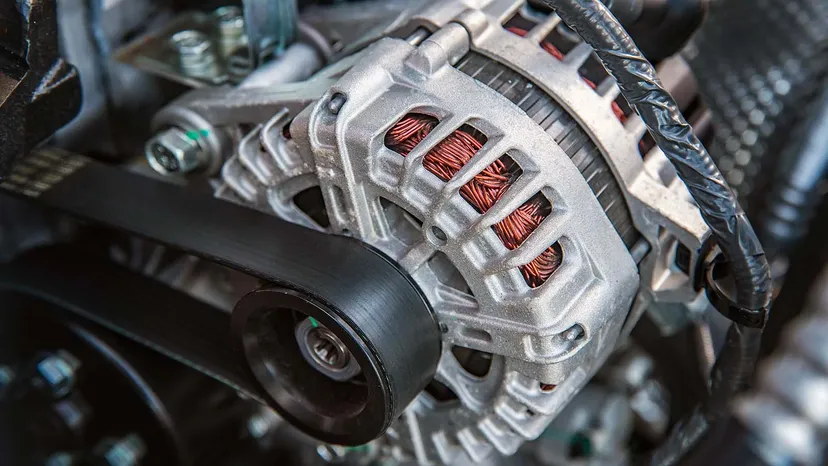
The alternator is a small generator mounted to your engine. It converts mechanical energy into electrical energy that powers everything in your car while the engine runs. Your headlights, radio, heated seats, power windows, dashboard instruments, and phone charger all depend on the alternator for power.

The alternator also charges your battery while you drive. Your battery handles the initial start. The alternator keeps everything running afterward and tops the battery back up so it is ready for the next start. Without a functioning alternator, the battery drains and eventually the car dies completely.

Signs of a Bad Alternator Every Driver Should Know

Recognizing the signs of a bad alternator early can save you money and keep you from getting stranded. Here is what to watch for before the problem leaves you on the side of the road.

Dimming or Flickering Headlights

Your headlights dim while you idle and then brighten when you press the gas. That is one of the earliest signs of a bad alternator. The unit cannot produce enough power at low RPM to keep the lights at full brightness. Most drivers notice this at night first.

Battery Warning Light on the Dashboard

Most people see this light and assume the battery needs replacing. That is not always the case. The warning light monitors the entire charging system, not just the battery. When the alternator stops charging properly, this light comes on. Do not ignore it.

Dead Battery That Keeps Coming Back

You boost or replace the battery, and it dies again within a day or two. When this pattern repeats, the alternator is almost always the real problem. The battery holds a charge just fine. Nothing is replenishing that charge while the engine runs because the alternator has failed.

Whining or Grinding Noise From the Engine Area

A failing alternator often produces a whining or grinding sound as the internal bearings wear out. The noise typically gets louder when you turn on the headlights or crank the heat because the alternator works harder under electrical load.

Electrical Accessories Acting Up

Power windows move more slowly than normal. The radio cuts out randomly. Heated seats barely get warm. When the alternator falls behind on power output, the car starts cutting power to non-essential systems first. Multiple electrical issues are happening at the same time, directly to the alternator.

Burning Rubber or Electrical Smell

A failing alternator can overheat. The belt that drives it can slip and burn. If you notice a sharp electrical smell or hot rubber odor under the hood, pull over and call for help. Continuing to drive risks damaging the belt, wiring, and surrounding engine components.

How to Tell if Your Alternator Is Bad or if the Battery Is the Problem

Many drivers struggle with the alternator vs battery question because the symptoms overlap. Getting the wrong diagnosis means paying for a part you did not need. Here is how to figure out which one actually failed.

Jump-start the car and pay close attention to what happens after. If the car runs normally after the jump and starts fine the next morning, the battery was simply dead. The alternator is doing its job. If the car dies again shortly after the jump or the battery goes flat within a day or two despite driving, the alternator is not charging and needs attention.

Try another test while the car runs after a jump. Turn on the headlights and the air conditioning at the same time. If the engine stumbles or the lights dim noticeably, the alternator cannot handle the electrical load. A healthy charging system absorbs that extra demand without issue.

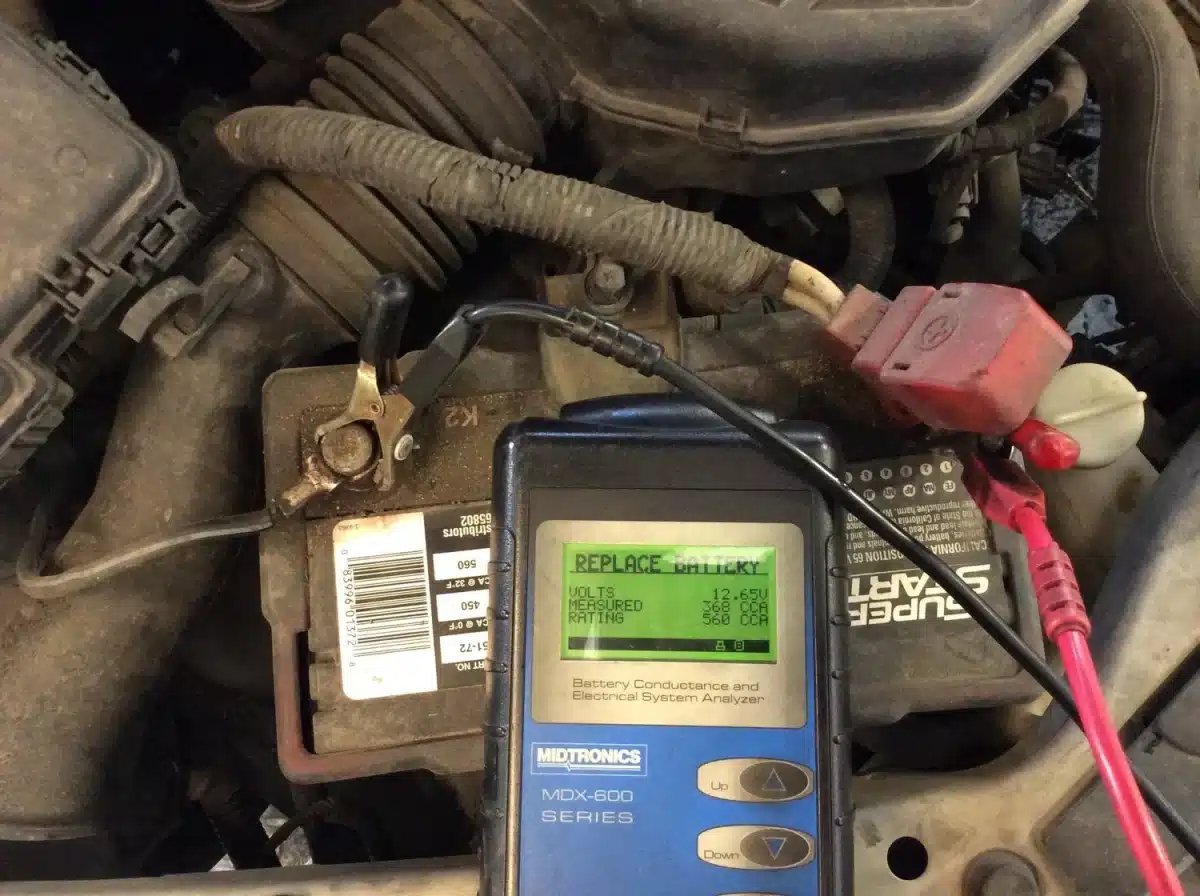
The most reliable test involves a voltmeter. A fully charged battery reads around 12.6 volts with the engine off. Start the engine and check again. A working alternator pushes that reading to between 13.5 and 14.5 volts. If the voltage stays flat or drops below 12.6 with the engine running, the alternator has failed. Most auto parts stores run this test for free.

Can You Drive With a Failing Alternator

You can, but not for long and not safely. Once the alternator stops working, your car runs entirely on the remaining battery charge. Depending on the battery condition and how many systems draw power, you might get 20 to 30 minutes before the car shuts down.

Your power steering, brakes, and safety systems all depend on electrical power. As the battery drains, those systems lose effectiveness one by one. Driving on a dead alternator through Ottawa traffic or along Highway 417 puts you at serious risk. Pull over to a safe location and call for a tow instead. Ontario Towing provides flatbed towing across Ottawa and the surrounding Capital Region around the clock.

Alternator Replacement Cost in Canada: What to Expect

Now for the question that brought most readers here. Alternator replacement cost in Canada typically falls between 500 and 1,000 dollars or more. Several factors determine where your specific repair lands within that range.

Parts Cost for Alternator Replacement

A remanufactured alternator for a common vehicle like a Honda Civic or Toyota Corolla runs between 200 and 400 dollars. A brand new OEM alternator for the same car costs 400 to 700 dollars. Luxury vehicles, European models, and trucks with high-output electrical systems push the alternator replacement cost higher. A new unit for a BMW or Mercedes can run 600 to 900 dollars for the part alone.

Labour Cost for Alternator Replacement

Labour depends on how accessible the alternator is within your specific vehicle. On some cars, the alternator sits right on top of the engine, and a mechanic can swap it in 30 to 45 minutes. On other vehicles, the alternator hides behind multiple components, and the job takes two hours or more. Most Ottawa shops charge between 100 and 150 dollars per hour for labour. Expect one to three hours total.

Total Alternator Replacement Cost Breakdown

Standard vehicle with a remanufactured alternator: 350 to 600 dollars total. Standard vehicle with a brand new alternator: 550 to 900 dollars total. Luxury or European vehicle: 800 to 1,200 dollars or more.

These numbers reflect typical Ottawa pricing. Dealerships charge at the higher end of these ranges. Independent shops generally offer the same quality work at lower rates.

New vs Remanufactured Alternators: Which One to Choose

You will almost always choose between brand new and remanufactured when facing alternator replacement cost decisions. Understanding the difference helps you spend wisely.

A remanufactured alternator goes through a full teardown. The rebuilder replaces internal components like bearings, brushes, and diodes, then tests the unit to meet original specifications. These cost significantly less and perform just as well as new ones in most cases.

A brand new alternator means every internal component comes fresh from the factory. If you plan to keep the vehicle for five or more years, the extra investment adds longevity and peace of mind. If the budget matters more or you plan to sell the car within a couple of years, a quality remanufactured unit from a reputable supplier makes more sense.

Watch out for cheap remanufactured units, though. Budget rebuilders cut corners on internal components, and those alternators fail early. Ask your mechanic where they source remanufactured parts. A trustworthy shop answers that question without hesitation. If they avoid the question, take your business elsewhere.

Should You Repair or Replace a Failing Alternator

Repair typically means replacing just the brushes or the voltage regulator, which costs 100 to 200 dollars. That sounds appealing compared to the full alternator replacement cost, but it rarely makes long-term sense.

If the bearings, diodes, or stator also show wear, a partial repair delays the inevitable. You pay for the repair now and then pay for full replacement a few months later. That ends up costing more than replacing the alternator once.

Replace the alternator if it has more than seven or eight years on it. The remaining internal components sit at the end of their useful life, too, and fixing one part does not extend the life of the others. If the alternator is relatively new and the failure traces to a single isolated component, repair can make sense. Ask your mechanic to explain exactly what failed and what condition the rest of the unit shows before you decide.

Replace the Battery When You Replace the Alternator

Most shops skip this advice because they do not want you to feel upsold. But replacing both at the same time genuinely protects you from future problems.

When an alternator fails, the battery runs on depleted charge for a period of time. That deep discharge stresses the battery beyond its normal operating range and shortens its remaining life significantly. The battery might test okay right now, but it has lost capacity that it will not recover.

Replacing the alternator and battery together gives you a clean electrical system from day one. It eliminates the chance of the old battery masking an issue with the new alternator or wearing it down prematurely. A battery costs 150 to 300 dollars. Compared to the alternator replacement cost, that addition prevents much bigger headaches down the road.

How to Avoid Overpaying for Alternator Replacement Cost

Get quotes from at least two shops before you commit. Ask each one to separate the cost into parts and labour. Confirm whether they quote a new or remanufactured alternator and ask what brand they plan to use.

If a shop quotes you 1,200 dollars for an alternator replacement on a Honda Accord, question it. If they refuse to share their parts supplier, walk away. If they push the most expensive option without explaining why, walk away.

A good mechanic walks you through every option, explains the trade-offs between new and remanufactured, and lets you choose what fits your budget and your plans for the vehicle. That is the shop you want handling your alternator replacement.

What to Do When Your Alternator Fails on the Road

When an alternator fails while you drive, the car does not stop immediately. The battery picks up the slack temporarily. Power accessories go first. Then dashboard warning lights flood the display. Eventually, the engine stalls because the ignition and fuel systems lose power.

Get off the road as soon as you can. Turn off every non-essential electrical system to stretch whatever battery charge remains. Kill the radio, air conditioning, heated seats, and anything else pulling power. Use that remaining charge to reach a safe spot, then stop and call for a tow.

Ontario Towing provides roadside assistance and towing across Ottawa 24 hours a day. We respond in 20 minutes or less, and we transport your vehicle safely to the shop of your choice.

Frequently Asked Questions About Alternator Replacement Cost and Diagnosis

How long does an alternator last before replacement?

Most alternators last between 7 and 12 years or 100,000 to 150,000 kilometres. Heavy electrical load, temperature extremes, and belt wear can all shorten that lifespan. If your vehicle approaches 150,000 kilometres and still runs the original alternator, get it tested proactively.

How long does an alternator replacement take?

The job typically takes one to three hours, depending on the vehicle. Cars with easily accessible alternators take under an hour. Vehicles that require removing other components to access the alternator take two to three hours.

Can a bad alternator damage other parts of the car?

Absolutely. A failing alternator can overcharge or undercharge the battery, which damages it. Voltage fluctuations also affect sensitive electronic modules in modern vehicles. In rare cases, a seized alternator snaps the serpentine belt, which disables power steering and the water pump at the same time.

Does alternator replacement cost more at a dealership?

Dealerships typically charge 20 to 40 percent more than independent shops for alternator replacement. They use OEM parts and bill higher labour rates. Independent shops often offer the choice between OEM and quality aftermarket or remanufactured parts, which brings the total alternator replacement cost down significantly. A reputable independent shop delivers the same quality work.

Can a bad alternator drain a battery overnight?

Yes. When an alternator’s diodes fail, they allow current to flow from the battery back through the alternator even with the engine off. This creates a parasitic drain that slowly kills the battery overnight. If your battery keeps dying overnight despite being new or recently boosted, have the alternator tested immediately.

When should I just call for a tow instead of trying to drive?

If your dashboard lights up with warnings, your headlights dim noticeably, or the engine feels like it might stall, pull over and call for help. Driving on a failing alternator risks losing power steering and braking assist in traffic. Ontario Towing responds across Ottawa in 20 minutes or less. Call 613-619-4545.

Ontario Towing Is Here When Your Alternator Fails

A failing alternator does not always give you time to plan ahead. If your car dies on the road or refuses to start in a parking lot, Ontario Towing stands ready around the clock across Ottawa, Kanata, Orleans, Barrhaven, Gloucester, Nepean, and the surrounding Capital Region. We have served Ottawa drivers since 1999, and we respond in 20 minutes or less.

Save our number. When your alternator fails, call 613-619-4545.

Car Won’t Start? Diagnosis Guide for Ottawa Drivers | Ontario Towing

Car Won’t Start? Here’s How to Diagnose the Problem and Get Back on the Road

Few things are more frustrating than when your car won’t start. Maybe it is a freezing Monday morning in January. Maybe you are leaving work, and your car just refuses to cooperate. Either way, you are stuck, and you need answers fast.

At Ontario Towing, we get calls like this every single day across Ottawa. A car that won’t start is one of the most common reasons people call us. The good news is that most of the time, the cause is straightforward. This guide will help you figure out why your car won’t start, how to tell what is actually wrong, and what you can do to prevent it from happening again.

Why Your Car Won’t Start: Battery, Starter, or Alternator

When your car won’t start, the problem almost always comes down to one of three things. It is either the battery, the starter, or the alternator. Here is how to tell the difference between them.

Dead or Weak Battery: The Top Reason a Car Won’t Start

If you turn the key and hear a clicking sound, or the dashboard lights come on dimly and then fade out, you are most likely dealing with a dead car battery. This is the most common reason a car won’t turn over, especially in Ottawa winters. If you get absolutely nothing when you turn the key, that also points to the battery.

Starter Motor Failure: Your Car Won’t Start but the Battery Is Fine

If you turn the key and hear a single loud click, but the engine does not crank, that is usually the starter motor. Your lights and radio might work perfectly fine, but the engine simply will not turn over. A failing starter can also produce a grinding noise when you try to start the car.

Alternator Failure: Your Car Starts Then Dies

If your car starts but dies shortly after, or if your battery keeps dying even after you replace or boost it, the alternator is likely the issue. The alternator charges your battery while the engine runs. When it fails, nothing replenishes the battery, and it drains completely. Other signs include dimming headlights while driving, a burning smell near the engine, or a battery warning light on your dashboard.

Why Batteries Fail Faster in Ottawa Winters

Ottawa is one of the coldest capital cities in the world. That cold is brutal on car batteries. At minus 20 or below, a battery can lose up to 50 percent of its cranking power. The chemical reactions inside the battery slow down dramatically in freezing temperatures. This means the battery has to work much harder to start your engine right when the engine is also hardest to turn over because the oil is thick and cold.

This is why so many Ottawa drivers experience a dead car battery between November and March. The battery did not suddenly fail out of nowhere. It was already weakening, and the cold exposed it. If your battery struggled at all during the fall, there is a very good chance it will not survive an Ottawa winter.

Your Car Won’t Start? How to Jump Start Safely

If you have jumper cables and a willing second vehicle, a jump start can get you going again. But you need to do it correctly to avoid damaging your electrical system or injuring yourself.

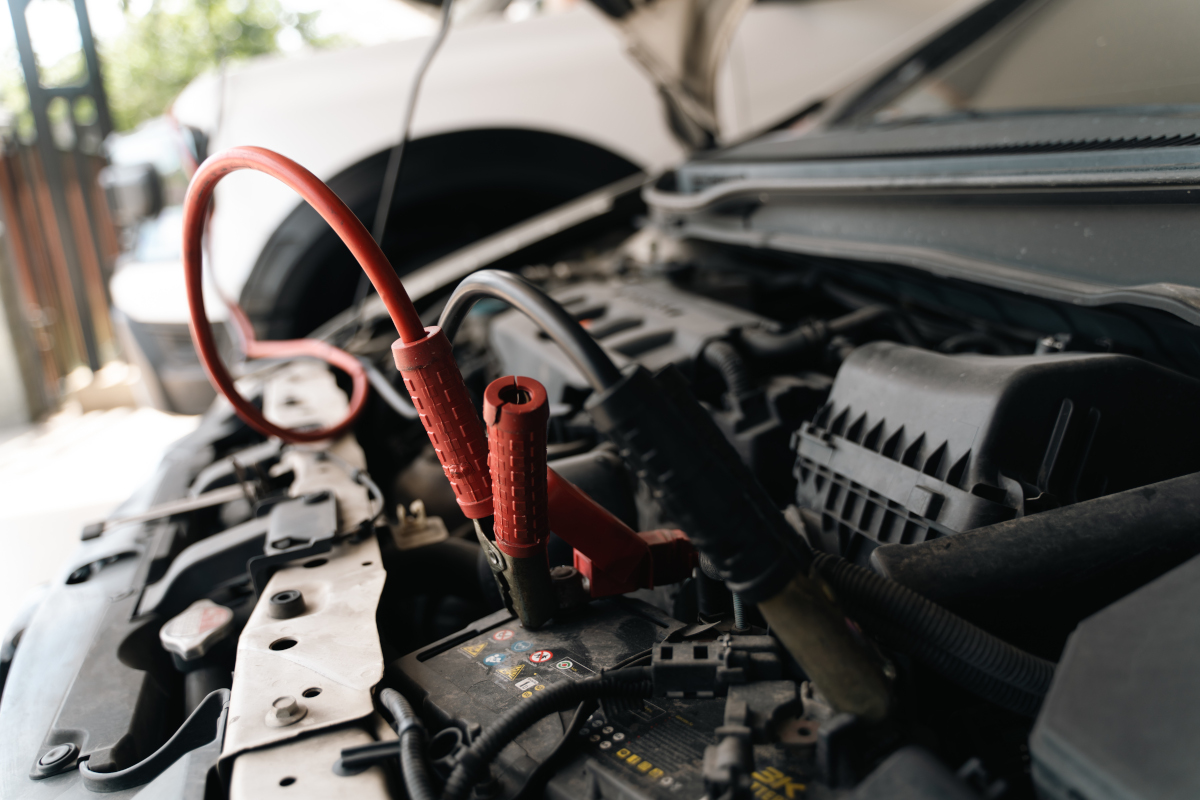
Start by connecting the red positive cable to the positive terminal on the dead battery. Then connect the other end of that red cable to the positive terminal on the good battery. Next, connect the black negative cable to the negative terminal on the good battery. Finally, attach the other end of the black cable to an unpainted metal surface on the engine block of the dead car. Do not connect it to the negative terminal of the dead battery.

Start the working vehicle, wait a couple of minutes, then try starting the dead car.

When Your Car Won’t Start and You Should Not Attempt a Jump Start

There are situations where trying to jump-start a car is actually dangerous. If the battery is visibly cracked, leaking, swollen, or frozen, do not try to boost it. A damaged battery can release hydrogen gas and, in rare cases, can even explode. If you smell rotten eggs around the battery, that is hydrogen sulfide, and it means the battery is compromised.

In these situations, call a professional. Ontario Towing offers battery boost and battery replacement services across Ottawa. We will come to you and handle it safely so you do not have to take any risks.

Battery Maintenance to Prevent a Car That Won’t Start

Taking care of your battery throughout the year is the easiest way to avoid getting stranded.

Spring and Summer

Check your battery terminals for corrosion. That is the white or greenish buildup that forms on the posts. Clean it off with a wire brush or a baking soda solution. Make sure the battery sits tightly so it does not vibrate loose. Heat actually degrades batteries internally over time, so summer damage often shows up as a winter failure.

Fall

Get your battery tested before the cold arrives. Most auto shops will do this for free. This is the time to replace a questionable battery. Do not wait until January when you are stranded in a parking lot at minus 30.

Winter

If you can, park in a garage. If that is not an option, consider a battery blanket or trickle charger for extremely cold stretches. Try to minimize short trips that do not give the alternator enough time to fully recharge the battery.

Warning Signs Your Car Won’t Start Soon

If your car is slow to start, if your headlights seem dimmer than usual, or if your battery has needed a boost more than once in the past few months, pay attention. A battery that is showing weakness is not going to get better on its own. It is only going to leave you stranded at the worst possible time.

Just change it. That small expense can save you a lot of money, time, and stress down the road. A new battery costs far less than a tow plus a battery plus the lost time and frustration of being stuck somewhere. Be proactive about it.

Understanding Battery Tiers: Bronze, Silver, Gold, and Platinum

Not all batteries perform equally. Most brands offer three to four tiers. They are typically labeled something like bronze, silver, gold, and platinum.

Here is the simple advice. Never get the bronze. Do not bother with the platinum unless you are driving a high-end luxury vehicle that demands it. For most Ottawa drivers, the gold tier is the sweet spot. It offers the best balance of cold cranking amps, longevity, and warranty coverage. If the budget is tight, silver is a solid choice and will serve you well. But if you can afford the difference, always go gold. The price gap between tiers is usually only 20 to 40 dollars, and that small difference buys you significantly better performance through Ottawa’s harsh winters.

Battery Warranties Matter More Than You Think

This is something a lot of people overlook. Most batteries come with a warranty period of anywhere from one to four years, depending on the tier and brand. If your battery needs a boost multiple times and you are still within that warranty period, have it replaced under warranty. Do not be shy about it. That is what the warranty is for.

Take your receipt, go back to where you bought it, and ask for a replacement. Too many drivers just deal with a failing battery and pay out of pocket for a new one when their warranty still covers their current battery. Know your warranty, keep your receipt, and use it.

Cost Differences: Replacing a Battery vs. Replacing an Alternator

A new battery typically costs between 150 and 300 dollars depending on the tier and your vehicle. An alternator replacement can run anywhere from 500 to over 1,000 dollars once you factor in parts and labour. That is a significant difference.

This is another reason why staying on top of your battery health matters. A failing battery that you ignore can put extra strain on your alternator and shorten its life too. If you do need a new alternator, best practice is to replace the battery at the same time, even if the old one still seems okay. A worn battery can mask alternator issues or cause a new alternator to work harder than it should from the start. Replacing both together gives you a clean slate and helps you avoid chasing electrical problems later on.

New vs. Remanufactured Alternators

When it comes to alternators, you will usually have the choice between brand new and remanufactured. Technicians rebuild remanufactured alternators with replacement internal components and test them to meet original specifications. They cost significantly less than new ones and in most cases perform just as well.

That said, a brand new alternator gives you the peace of mind that every single component inside is fresh. If you plan on keeping your vehicle for several more years, the extra investment in a new unit can be worth it. If you are looking at a shorter ownership horizon or working within a tighter budget, a quality remanufactured alternator is a perfectly reasonable choice.

Ask Where the Parts Come From

One piece of advice we always give Ottawa drivers is this. If your mechanic or auto shop is supplying the alternator or battery, ask them who their supplier is and where they source their parts. Not all parts perform equally. Some shops use bargain components to keep costs down, and you end up paying for it later when the part fails prematurely. A reputable shop will have no issue telling you where their parts come from. If they dodge the question, that is a red flag.

Frequently Asked Questions About a Car That Won’t Start

How long do car batteries last?

Most car batteries last between three and five years. In colder climates like Ottawa, that lifespan tends to land closer to three years because the extreme cold puts extra strain on the battery every winter. If your battery is approaching the three-year mark, get it tested before the cold season hits.

How long does a car battery last in Canada?

Canadian winters are especially hard on batteries. You can generally expect three to four years of reliable service if you maintain the battery properly and avoid frequent short trips in cold weather. Drivers in Ottawa and other parts of eastern Ontario should plan to test or replace their battery every three years to stay ahead of winter failures.

What are the signs of a bad alternator?

The most common signs include dimming headlights while driving, a battery warning light on the dashboard, a grinding or whining noise from the engine area, and a battery that keeps dying even after you replace it. If you notice any of these, have your alternator tested as soon as possible before it leaves you stranded.

How do I know if my starter is bad?

The biggest giveaway is a single loud click when you turn the key, but the engine does not crank at all. Your dashboard lights and radio may work perfectly fine because the battery still has power. The starter is the component that physically turns the engine over, so when it fails, everything else works except the engine itself.

How can I tell if my car battery is dead?

Turn the key and pay attention to what happens. If the dashboard lights come on dimly and fade, or if you hear rapid clicking, the battery is likely dead or too weak to start the car. If you get absolutely no response at all when you turn the key, that also points to a completely dead battery.

Can a bad alternator drain a battery overnight?

Yes. A failing alternator can cause what mechanics call a parasitic drain. If the alternator’s diodes fail, they can allow current to flow from the battery back through the alternator even when the car is off. This slowly drains the battery overnight and you wake up to a car that won’t start. If your battery keeps dying overnight despite being new or recently boosted, have your alternator tested.

Your Car Won’t Start? You Do Not Have to Figure This Out Alone

A car that won’t start does not have to ruin your day. Whether you need a battery boost at 6 a.m. in Barrhaven or a tow from a parking garage downtown, Ontario Towing is here for you. Ottawa drivers consistently rate us as the city’s top towing company and recommend us across multiple platforms for a reason. We show up fast, we treat you with respect, and we get the job done right.

Our team responds in 20 minutes or less. Save our number at 613-619-4545 and the next time your car won’t start, you will know exactly who to call.

Roadside Assistance Ottawa | Ontario Towing

The Complete Guide to Roadside Emergencies in Ottawa: What to Do When Your Car Breaks Down

If you ever need roadside assistance in Ottawa, knowing what to do in the first few minutes can make all the difference. Nobody plans for a breakdown. It never shows up in your calendar, and it never happens at a convenient time. You might be heading home on Highway 417 after a long shift. Or maybe you are driving east on Highway 174 with groceries in the back seat. Either way, a breakdown can turn a normal day into a dangerous situation fast.

At Ontario Towing, we have responded to thousands of roadside calls across Ottawa. This guide is built from that real-world experience. Whether you are a new driver or a seasoned commuter, these steps can help keep you safe.

How to Recognize the Warning Signs Before a Full Breakdown

Cars rarely shut off without any warning. In most cases, there are clear signs that something is going wrong. Your engine temperature gauge might start climbing. You might hear grinding or hissing under the hood. Your steering might suddenly feel heavy. Dashboard warning lights might appear out of nowhere.

In addition to those signs, watch for a sudden loss of power while driving. Vibrations through the steering wheel are another red flag. The smell of burning rubber or coolant also signals trouble. Smoke from the hood or exhaust means you need to act right away.

These are not things to deal with later. They are your vehicle telling you to respond now.

When You Should Pull Over

This is where a lot of drivers hesitate. You start thinking you can make it home. You tell yourself you will just get off at the next exit. However, pushing a failing vehicle further down the road often makes a small problem much worse. It also puts you and other drivers at risk.

If your car is showing clear signs of mechanical trouble, pull over as soon as you safely can. In most cases, you still have enough time to slow down and reach the shoulder. As a result, there is no reason to gamble with your safety. If something feels wrong, it probably is.

Always Pull to the Right After a Roadside Emergency

This is one of the most important things we want Ottawa drivers to understand. If you are on a highway and your vehicle starts giving you trouble, always merge to the right. Pull onto the right shoulder as soon as it is safe to do so.

Stopping on the left side of the highway is extremely dangerous. Vehicles in the left lane travel at the highest speeds. Drivers in that lane do not expect to see a stopped car there. Tow operators also face much greater risk when recovering vehicles from the left shoulder.

Here is the key point. Your car does not just die instantly. Even if your engine cuts out, your vehicle still has forward momentum. Therefore, use that momentum to change lanes and get to the right side of the road. It is safer for you. It is safer for the tow operator coming to help. And it is safer for every other driver on that highway.

Also, never stop in a live lane. If your car is slowing down, signal right away, merge right, and get off the road entirely if possible. Being considerate of your fellow motorists in that moment could prevent a serious accident.

The First 5 Minutes After Your Roadside Emergency

Once you are safely off the road, the next few minutes are important. Here is what you should do right away.

Turn on your hazard lights immediately. This is your most visible signal to other drivers. It tells them your vehicle is stopped and not moving.

Stay inside your vehicle if you are on a highway. Walking along the shoulder of Highway 417 or Highway 174 is risky. This is especially true at night or during rush hour.

If you must exit, do so from the passenger side. This keeps you away from passing traffic.

Place a reflective triangle or flare behind your vehicle if you have one. If you do not have one, keep your hazards on and your seatbelt fastened.

Then, call for roadside assistance in Ottawa right away. Whether that means calling Ontario Towing, a family member, or emergency services, get someone on the way. After that, try to stay calm. You are off the road, you are safe, and help is coming.

Highway 417 and Highway 174 vs. City Streets

Where you break down makes a big difference. On Highway 417 and Highway 174, traffic moves fast and space is limited. You are dealing with transport trucks, high speeds, and poor visibility at night. As a result, you should stay in your vehicle, keep your hazards on, and wait for your tow operator. Do not try to inspect your vehicle or make repairs on the highway shoulder. It is simply not worth the risk.

On city streets, you have more flexibility. If your car dies at an intersection or in a lane, try to push it to the curb. You can also try to move it into a nearby parking lot if it is safe. Urban breakdowns are generally less dangerous than highway ones. However, they can still cause traffic problems. Because of this, getting off the road quickly still helps everyone.

What Information Your Tow Operator Needs From You

When you call for roadside assistance in Ottawa, having the right details ready speeds everything up. Here is what we will ask you.

First, we need your exact location. A street address, intersection, or highway kilometer marker works best. If you are not sure, share your GPS location from your phone.

Second, we need your vehicle details. That includes the make, model, colour, and year.

Third, tell us what happened. Did the engine overheat? Did you hit something? Is there a flat tire? The more detail you can share, the better prepared we will be.

In addition, let us know whether the vehicle is in a safe location or blocking traffic. Also, tell us how many people are with you, including children or pets.

This information helps your tow operator arrive with the right equipment and approach.

Winter vs. Summer Roadside Assistance in Ottawa

Ottawa’s climate means breakdowns can look very different depending on the season.

In winter, cold temperatures put enormous strain on batteries, tires, and engines. A dead battery is one of the most common calls we receive between November and March. If you break down in winter, stay in your vehicle with the engine running for heat if it is safe. You should also keep an emergency kit in your car. It should include a blanket, flashlight, phone charger, water, and a small shovel.

In summer, overheating is the main concern. Long drives in hot weather push cooling systems to their limit. Tire blowouts are also more common on scorching pavement. Therefore, keep your coolant topped up and check your tire pressure regularly. Do not ignore that temperature gauge creeping upward.

Tow Truck vs. Roadside Assistance: What Is the Difference?

Many people use these terms interchangeably. That is understandable, but knowing the difference helps you get the right service faster.

Roadside assistance refers to services that can be handled on the spot. Your vehicle does not need to leave the scene. These services include mobile tire changes if you have a spare. They also include vehicle lockout service if you are locked out of your car. Fuel delivery is another option if you have run out of gas. Battery boosts, jump starts, and even battery replacement fall under this category as well. At Ontario Towing, we offer all of these roadside assistance services across Ottawa.

In contrast, a tow truck is needed when your vehicle cannot be fixed on the side of the road. This includes major mechanical breakdowns and accident recovery. It also includes vehicle recovery from ditches or snowbanks. Flat tires with no spare available also require a tow.

If your car is not going to drive away from where it is, you need a tow. When in doubt, just call us. We will help you figure out exactly what you need.

You Do Not Have to Handle This Alone

Breaking down on the road is stressful. However, it does not have to be overwhelming. When you know what to look for, how to pull over safely, and who to call, you are already ahead of most drivers.

Ontario Towing is Ottawa’s highest-rated towing and roadside assistance provider with over 700 Google reviews. Our team responds in 20 minutes or less. We treat every call with the urgency and care it deserves. Whether you are stranded on Highway 417 in a snowstorm or locked out of your car in Kanata, we are here for you.

Save our number: 613-619-4545. Share this guide with someone you care about. And if you ever need roadside assistance in Ottawa, call Ontario Towing. We will be there.

Rising Fuel Prices in Ottawa

How They Affect Your Wallet and What You Can Do About It

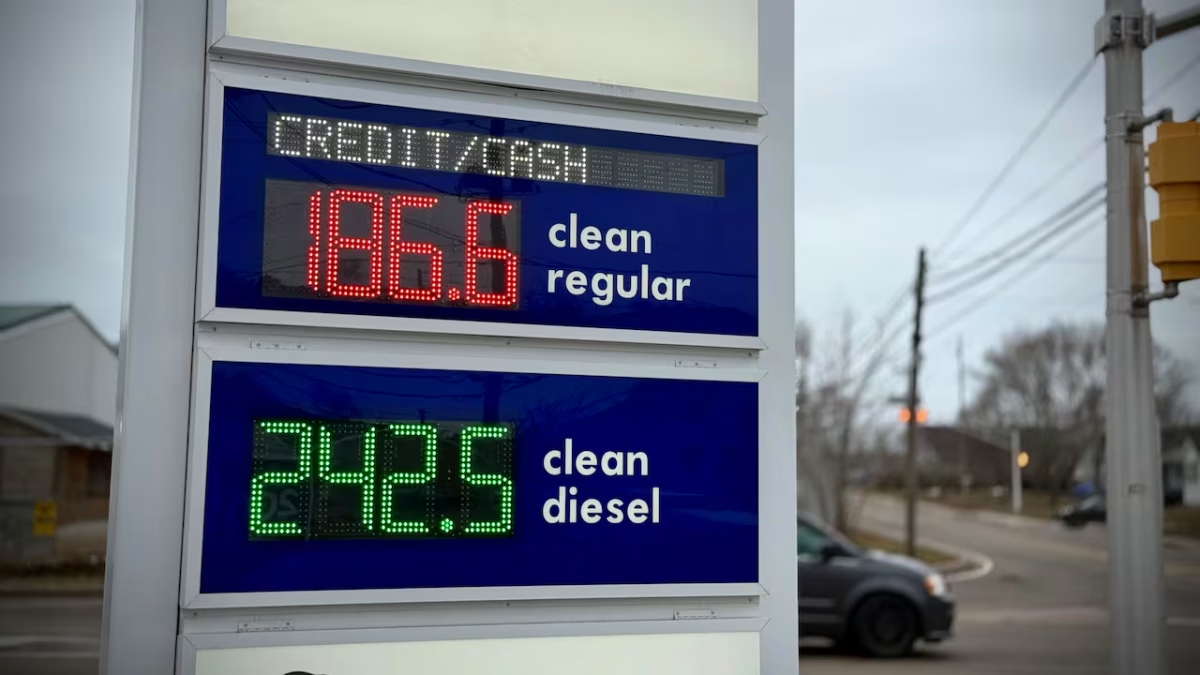
If you’ve filled up your tank recently anywhere in Ottawa or across Ontario, you already know the sting. Fuel prices have been climbing steadily, and for many families and small businesses in our community, every trip to the pump feels like a minor financial event. Whether you’re commuting along the Queensway, driving your kids to hockey practice in Kanata, or running deliveries across the National Capital Region, the cost of fuel touches virtually every part of daily life.

At Ontario Towing, we see the effects of these rising costs every single day. Our trucks are on the road around the clock serving Ottawa and the surrounding areas, and we understand firsthand how painful it is when expenses keep going up while paychecks stay the same. That’s why we wanted to take a moment to talk honestly about what’s happening with fuel prices, how it impacts all of us, and (most importantly) what you can do to protect your budget during uncertain economic times.

What’s Driving Fuel Prices Up?

There’s no single villain behind the price surge at the pump. A combination of global supply chain disruptions, geopolitical tensions, carbon pricing policies, and the lingering economic aftershocks of the COVID-19 pandemic have all contributed to the situation we find ourselves in today. The inflation we’ve experienced since 2020 has been unlike anything most Canadians have seen in their lifetimes, and fuel is one of the most visible casualties.

Many economists have been warning that we could be heading into a recession; if we aren’t already in one. Grocery bills are higher, rent and mortgage payments have skyrocketed, and the cost of simply existing has become a real burden for Ottawa residents. We all hope that prices will eventually stabilize and fall back to something reasonable, but hoping for the best doesn’t mean we shouldn’t prepare for the reality in front of us.

How Rising Fuel Costs Affect More Than Just Your Gas Tank

It’s easy to think of fuel prices as a problem only when you’re standing at the pump, but the truth runs much deeper. When fuel costs rise, the price of everything else follows. The groceries on your shelf were delivered by truck. The materials used to repair your home were shipped across the country. The service providers you rely on (from plumbers to, yes, towing companies) all factor fuel into their operating costs.

For drivers specifically, higher fuel prices often mean making tough choices. You might delay necessary vehicle maintenance because you’re trying to stretch your dollars further. You might put off that second opinion on a mechanic’s quote because the thought of driving across town feels like an expense you can’t justify. These small compromises can snowball into bigger, more expensive problems down the road.

Practical Tips to Save Money on Fuel and Everyday Spending

While none of us can individually control global oil markets, there are real, practical steps you can take to keep more money in your pocket during these challenging times.

Drive smarter, not harder. Aggressive acceleration and speeding can increase your fuel consumption by as much as 33 percent on the highway. Ease into your speed, use cruise control where it’s safe to do so, and try to consolidate your errands into fewer trips. Planning your route efficiently (especially in a spread-out city like Ottawa) can save you more fuel than you might think.

Keep your vehicle well maintained. A properly inflated set of tires, a clean air filter, and regular oil changes can make a meaningful difference in fuel economy. Neglected maintenance doesn’t just cost you at the pump; it can also lead to breakdowns that leave you stranded on the side of the road.

Track your spending consciously. It sounds simple, but actually writing down or using an app to monitor where your money goes each month can be eye-opening. When you see how much you’re spending on fuel, dining out, subscriptions you’ve forgotten about, and impulse purchases, it becomes much easier to make intentional adjustments.

Use fuel price apps. Apps like GasBuddy can help you locate the cheapest fuel prices near you in Ottawa. Even saving a few cents per litre adds up significantly over the course of a month, especially if you have a long commute.

Consider carpooling or public transit. Ottawa’s OC Transpo and the O-Train network can help reduce your reliance on personal vehicles for daily commuting. Carpooling with colleagues or neighbours is another great way to cut your fuel bill in half; or more.

Why Choosing a Trustworthy Towing Company Matters More Than Ever

When money is tight, every dollar counts, and the last thing you need during an already stressful situation is to be overcharged by an unreliable service provider. Whether you’ve been involved in an accident, your car has broken down on Highway 417, or you simply need to move your vehicle from one mechanic shop to another because the first quote was outrageous and you want a second opinion, the towing company you choose matters.

That’s where Ontario Towing comes in. We’ve been proudly serving Ottawa and the surrounding areas with honest, transparent, and affordable towing services. We understand that needing a tow is never something you plan for, and it often comes at the worst possible time. That’s why we’re committed to fair pricing with no hidden fees, fast response times so you’re not left waiting on the side of the road, and professional, courteous service from drivers who treat your vehicle like it’s their own.

When you’re dealing with the stress of a vehicle breakdown or an accident, you deserve a towing company that adds relief to the situation (not more anxiety). You deserve a team that shows up quickly, communicates clearly, and charges you a fair price. In uncertain economic times like these, trust isn’t a luxury; it’s a necessity.

Looking Ahead: Preparing for Whatever Comes Next

Nobody can predict exactly where the economy is headed. We may see fuel prices ease as global conditions stabilize, or we may be in for a prolonged period of elevated costs. What we can control is how we respond. By being mindful of our spending, maintaining our vehicles properly, and choosing service providers we can trust, we put ourselves in the strongest possible position to weather the storm.

At Ontario Towing, we’re not just a towing company; we’re your neighbours. We live and work in Ottawa, and we’re navigating these same economic challenges right alongside you. If you ever need help on the road, whether it’s a flat tire on Bank Street, a dead battery in a Barrhaven parking lot, or a vehicle transport across the city, we’re just a phone call away.

Stay safe, drive smart, and know that Ontario Towing is always here when you need us.


Need a tow in Ottawa? Contact Ontario Towing today.

Reliable. Affordable. Trusted by Ottawa drivers.

What to Do After a Car Accident in Ottawa

A Step-by-Step Guide for Ottawa Drivers

Ottawa roads can change quickly. One moment traffic is moving normally, and a few seconds later everything has stopped. It’s important to know what to do after a car accident. Drivers in neighbourhoods like Kanata, Barrhaven, Orleans, and Downtown Ottawa deal with heavy traffic, winter conditions, and unexpected hazards throughout the year. When a collision happens, many drivers immediately search for a tow truck in Ottawa or accident towing near me to get their vehicle off the road. But before you make that call, there are steps you need to take to protect yourself, your passengers, and your insurance claim. Knowing what to do after a car accident in Ottawa can make a stressful situation much easier to manage.

Check for Injuries Before Anything Else

After a collision, safety comes first. Take a moment to check yourself and your passengers for injuries. If anyone is hurt, call 911 right away. Do not wait to assess how serious the injury appears. Emergency services can make that determination when they arrive. If someone appears seriously injured, do not move them unless there is immediate danger, such as fire or oncoming traffic.

Turn On Your Hazard Lights and Move to Safety

Turn on your hazard lights immediately. This alerts other drivers that something has happened ahead, which is especially important on busy Ottawa roads like Highway 417 or Autoroute 50, or during low visibility conditions in winter. If your vehicle can still move, pull it carefully to the shoulder, a side street, or a nearby parking lot. Leaving a damaged vehicle in an active lane creates a secondary hazard for approaching drivers. If the vehicle cannot move, stay inside with your seatbelt fastened while you wait for help. Standing outside on a busy road is risky, particularly when other drivers may not see you in time to slow down safely.

Exchange Information with the Other Driver

Once everyone is in a safe location, exchange the following with the other driver:
  • Full name and contact number
  • Driver’s licence number
  • Licence plate number
  • Insurance company name and policy number
  • Vehicle make, model, and year
Keep the conversation polite and factual. Do not admit fault or apologize, even casually. Statements made at the scene can come up later during the insurance claims process in Ontario.

Document the Scene

Use your phone to capture as much as possible before vehicles are moved or conditions change. Take photos of all vehicles involved, the damage on each one, licence plates, the position of vehicles on the road, and the surrounding area including road signs, lane markings, and any visible skid marks. If there are witnesses nearby, ask for their names and contact information. Many Ottawa drivers underestimate how useful this documentation becomes if there is a disagreement later about how the accident happened, or if your insurance adjuster needs to verify the details of the claim.

Report to an Ottawa Collision Reporting Centre

In Ontario, you are required to report a collision to police if there is injury, death, or property damage over $2,000. For minor collisions where everyone is safe and both vehicles are drivable, you can attend an Ottawa Collision Reporting Centre instead of calling police to the scene. This is a straightforward process that most Ottawa drivers can complete in under an hour. Ottawa has three Collision Reporting Centre locations:
  • CRC Elgin — 474 Elgin Street, Downtown Ottawa
  • CRC West — 4100 Moodie Drive, Bells Corners area
  • CRC East — 2230 Ogilvie Road, Gloucester area
If your accident happens after 4pm, attending the following morning is generally fine. Weekend collisions are typically handled the next business day.

Contact Your Insurance Company

Report the accident to your insurer as soon as possible, even if you were not at fault. Ontario follows a direct compensation model, which means you deal with your own insurance company regardless of who caused the collision. Have the following ready when you call:
  • Your policy number
  • The other driver’s information
  • Your photos from the scene
  • Your Collision Reporting Centre report number if applicable
Reporting matters promptly. Delays in notifying your insurer can sometimes complicate the claims process, even when the circumstances of the accident are straightforward.

Call an Ottawa Tow Truck If Your Vehicle Is Not Drivable

If your vehicle cannot be driven safely after the collision, you will need accident towing in Ottawa. A few things Ottawa drivers should know before making that call. You have the right to choose your own towing company. You are not required to accept the first tow truck that arrives at the scene, even if police or another party called them. Take a moment to contact a company you trust. Flatbed towing is often the safest option after a collision. For AWD vehicles, cars with damaged suspensions, or any vehicle with airbag deployment, a flatbed keeps all four wheels off the ground and prevents further mechanical or structural damage during transport to a repair facility. Storing your vehicle at a TSSEA-compliant facility can also help speed up your insurance claim. When your damaged vehicle is held at a recognized, documented facility, your insurer’s adjuster knows exactly where it is and how to access it. This typically moves the process forward faster than a vehicle sitting informally in a driveway or body shop lot. Knowing what to do after a car accident in Ottawa will truly make the process much easier for you when the time comes. Ontario Towing provides 24 hour accident towing across Ottawa including Kanata, Orleans, Barrhaven, Nepean, Westboro, Gloucester, and the surrounding region. If you need a tow truck in Ottawa after a collision, call 613-619-4545 any time and we will dispatch immediately. Ontario Towing is Ottawa’s top-rated tow truck company with a 5-star rating and over 600 Google reviews. We provide 24 hour accident towing, flatbed towing, and roadside assistance in Ottawa and the surrounding region. Call 613-619-4545 any time.

Freezing Rain Ottawa: When to Call a Tow Truck | Ontario Towing

Spring may be approaching, but winter is not finished in Ottawa yet. Freezing rain has once again arrived, coating roads in ice and making driving conditions far more dangerous than they appear.

Freezing rain in Ottawa can create some of the most dangerous winter driving conditions drivers face. During freezing rain, Ottawa roads may quickly become covered with a thin layer of ice, making braking and steering difficult.

When conditions become unsafe, many drivers begin searching for towing Ottawa services or a tow truck Ottawa provider to help move their vehicle safely off the road.

When freezing rain moves through the Ottawa region, drivers across neighbourhoods like Kanata, Barrhaven, Orleans, and Nepean often encounter rapidly changing road conditions. A road that seemed manageable minutes earlier can quickly become slippery as temperatures drop and rain freezes on contact with the surface.

Many Ottawa residents have experienced that moment when their vehicle begins to slide slightly at an intersection or while turning onto a residential street. Even experienced drivers can struggle to maintain control when tires lose grip on icy pavement.

During nights when freezing rain affects the city, towing services across Ottawa typically see an increase in calls from drivers dealing with vehicles that cannot safely continue moving. Some cars slide into snowbanks along neighbourhood streets, while others become stuck along icy roadside shoulders.

Situations like these often lead drivers to search online for towing Ottawa services or a tow truck Ottawa provider who can safely move the vehicle off the road. Understanding how freezing rain affects driving conditions can help drivers stay safer when winter weather arrives unexpectedly.

Why Freezing Rain Makes Roads So Dangerous

Freezing rain occurs when rain falls through a layer of cold air near the ground and freezes when it touches surfaces like roads and sidewalks. The result is a thin sheet of ice that may not be immediately visible.

This layer of ice often creates what drivers call black ice. Because it is transparent, it blends in with the road surface and can make a street appear normal even when it is extremely slippery.

In Ottawa, freezing rain can impact both major roads and smaller neighbourhood streets. Main routes connecting areas such as Downtown Ottawa, Westboro, and South Keys may eventually be treated with salt or sand, but residential streets can remain icy for longer periods of time.

Drivers sometimes notice their vehicle sliding slightly while braking or turning. This loss of traction can happen quickly and without warning, particularly at intersections or while navigating hills.

Even cautious driving may not completely prevent a vehicle from sliding if the ice layer becomes thick enough.

Common Situations Drivers Face During Freezing Rain

One of the most common situations during freezing rain occurs when a vehicle slides into a snowbank along the side of the road. This can happen when turning onto a residential street or attempting to stop at a slippery intersection.

Picture driving through a quiet neighbourhood in Orleans during freezing rain. As you approach a stop sign, the brakes are applied gently, but the vehicle continues sliding forward before coming to rest against a snowbank along the curb.

Although the vehicle may not appear badly damaged, it may no longer be able to move safely without assistance. Another common situation involves vehicles that drift into ditches or slide sideways along icy shoulders near suburban roads.

Drivers sometimes attempt to free their vehicles by accelerating or rocking the car back and forth. However, spinning the tires on ice can make the situation worse and may even cause additional damage.

When a vehicle cannot safely return to the road, professional recovery equipment is often needed to remove it.

When Calling a Tow Truck Becomes Necessary

If a vehicle has slid off the road or become stuck in snow or ice, contacting an Ottawa towing service can help safely remove the vehicle without causing further damage.

Tow trucks are equipped with specialized recovery equipment that allows operators to carefully pull vehicles out of snowbanks, ditches, or icy roadside areas.

If a vehicle has been involved in a minor collision caused by icy pavement, flatbed towing is often recommended. With flatbed towing, the vehicle is lifted completely onto the truck bed. This helps prevent further damage while transporting it to a repair facility.

Cold weather can also cause mechanical problems that leave drivers stranded. Batteries lose power in freezing temperatures, and vehicles parked during freezing rain may struggle to start afterward.

In these situations, roadside assistance services such as battery boosting can help drivers get moving again.

Lockout situations may also occur when drivers accidentally leave keys inside their vehicles.  This can occur while clearing ice from windows or warming the engine before driving. Tow truck operators in Ottawa regularly assist with these types of winter roadside incidents.

Local Towing Services During Winter Weather

Winter storms and freezing rain can affect different parts of Ottawa at different times. Roads in one neighbourhood may remain manageable while nearby areas quickly become icy.

Local towing companies are familiar with these changing conditions and the road layouts across the city. This local knowledge can help tow truck drivers reach stranded motorists more efficiently.

Ontario Towing frequently assists drivers in neighbourhoods including Barrhaven, Kanata, Orleans, Westboro, Nepean, and Downtown Ottawa during winter weather events. Preparation can help reduce stress when freezing rain occurs. Many Ottawa drivers keep emergency supplies in their vehicles, including blankets, gloves, and a flashlight.

When freezing rain makes roads difficult to navigate, contacting a reliable towing service can help restore normal traffic flow.

If freezing rain or icy roads leave your vehicle stuck or unsafe to drive, Ontario Towing is available to help drivers across Ottawa get back on the road safely.

Navigating Gatineau’s Roads with Ease: Your Go-To for Towing and Emergency Roadside Assistance

In the picturesque city of Gatineau, Quebec, life moves at its own pace. From the scenic drives along the Ottawa River to the bustling streets of downtown, residents and visitors alike enjoy the beauty and charm of this vibrant city. However, amidst the beauty lies the potential for unexpected roadside emergencies. That’s where our team at Ontario Towing steps in, offering reliable towing and emergency roadside assistance services to keep you moving forward.

Why Reliable Towing and Roadside Assistance Matters

Roadside emergencies can happen when you least expect them, leaving you stranded and stressed. Whether it’s a flat tire, a dead battery, or a vehicle breakdown, these unforeseen incidents can disrupt your day and jeopardize your safety. Having access to reliable towing and roadside assistance services is crucial, providing you with the peace of mind and support you need to navigate Gatineau’s roads with confidence.

Ontario Towing: Your Trusted Partner in Gatineau

At Ontario Towing, we understand the unique needs of Gatineau residents when it comes to towing and roadside assistance. As a trusted local provider, we’re committed to delivering prompt, professional, and dependable services that you can rely on. Here’s why we’re Gatineau’s go-to for towing and emergency roadside assistance:
1. 24/7 Availability:
Roadside emergencies don’t adhere to a schedule, which is why Ontario Towing operates around the clock. Whether it’s the middle of the night, a weekend, or a holiday, our team is here to assist you whenever you need us. Simply give us a call at 613-619-4545, and we’ll be there to help 24/7.
2. Swift Response Times:
When you’re stranded on the side of the road, waiting for assistance can be stressful. That’s why Ontario Towing prioritizes rapid response times. Our team of trained professionals is equipped to handle a wide range of roadside emergencies, and we aim to reach your location promptly to provide the assistance you need.
3. Comprehensive Services:
Ontario Towing offers more than just towing. From jump starts to fuel delivery, and lockout assistance to tire changes, we provide a wide range of roadside assistance services to meet your needs. Our goal is to get you back on the road safely and swiftly, no matter the circumstances.
4. Local Expertise:
As a local towing and roadside assistance provider, Ontario Towing has a thorough understanding of Gatineau’s roads, neighborhoods, and traffic patterns. Our local expertise allows us to navigate the streets of Gatineau with precision, ensuring timely assistance whenever you require our services.
5. Commitment to Excellence:
At Ontario Towing, we take pride in our commitment to excellence. From the moment you contact us for assistance to the completion of the service, you can expect professionalism, reliability, and top-notch customer service. Our team is dedicated to ensuring your satisfaction and safety, delivering a towing and roadside assistance experience that exceeds your expectations.
Conclusion: Your Trusted Towing and Roadside Assistance Provider in Gatineau
In Gatineau, Ontario Towing serves as the go-to for residents and visitors facing roadside emergencies. With our 24/7 availability, swift response times, comprehensive services, local expertise, and commitment to excellence, we’re your trusted partner on the road. Don’t let a roadside emergency derail your day – save our number, 613-619-4545, and travel with the assurance that Ontario Towing has you covered whenever you need towing and roadside assistance services in Gatineau.

Kanata’s Lifeline: Ontario Towing’s Trusted Towing and Roadside Assistance Services

In the bustling community of Kanata, Ontario, life moves fast. Residents zip along the roads, commuting to work, running errands, and enjoying leisurely drives. However, amidst the hustle and bustle, unexpected roadside emergencies can bring any journey to a halt. That’s where Ontario Towing steps in, serving as Kanata’s lifeline with trusted towing and roadside assistance services. Kanata towing services.

The Importance of Reliable Towing and Roadside Assistance Services

Roadside emergencies are an unfortunate reality of driving, and they can happen to anyone, anywhere, and at any time. Whether it’s a flat tire, a dead battery, or a vehicle breakdown, these unexpected incidents can leave you stranded and stressed. That’s why having access to reliable towing and roadside assistance services is essential, providing you with the peace of mind and support you need to navigate Kanata’s roads with confidence.

Ontario Towing: Your Trusted Partner in Kanata

Ontario Towing understands the unique needs of Kanata residents when it comes to towing and roadside assistance. As a trusted local provider, we’re committed to delivering prompt, professional, and dependable services that you can rely on. Here’s why we’re Kanata’s lifeline:

24/7 Availability

Roadside emergencies don’t adhere to a schedule, which is why Ontario Towing operates around the clock. Whether it’s the middle of the night, a weekend, or a holiday, our team is here to assist you whenever you need us. Simply give us a call, and we’ll be there to help, 24/7.

Swift Response Times

When you’re stranded on the side of the road, waiting for assistance can be stressful. That’s why Ontario Towing prioritizes rapid response times. Our team of trained professionals is equipped to handle a wide range of roadside emergencies, and we aim to reach your location promptly to provide the assistance you need.

Comprehensive Services

Ontario Towing offers more than just towing. From jump starts to fuel delivery, and lockout assistance to tire changes, we provide a wide range of roadside assistance services to meet your needs. Our goal is to get you back on the road safely and swiftly, no matter the circumstances.

Local Expertise

As a local towing and roadside assistance provider, Ontario Towing has a thorough understanding of Kanata’s roads, neighborhoods, and traffic patterns. Our local expertise allows us to navigate the streets of Kanata with precision, ensuring timely assistance whenever you require our services.

Commitment to Excellence

At Ontario Towing, we take pride in our commitment to excellence. From the moment you contact us for assistance to the completion of the service, you can expect professionalism, reliability, and top-notch customer service. Our team is dedicated to ensuring your satisfaction and safety, delivering a towing and roadside assistance experience that exceeds your expectations.
Conclusion: Your Trusted Towing and Roadside Assistance Provider in Kanata
In Kanata, Ontario Towing serves as the lifeline for residents facing roadside emergencies. With our 24/7 availability, swift response times, comprehensive services, local expertise, and commitment to excellence, we’re your trusted partner on the road. Don’t let a roadside emergency derail your day – save our number, (613) 619-4545, and travel with the assurance that Ontario Towing has you covered whenever you need towing and roadside assistance services in Kanata.

Navigating East Ottawa’s Roads with Ease: Discover the Reliability of Orleans Towing

Orleans Towing Services: Nestled in the heart of Ottawa’s east end lies the vibrant community of Orleans, Ontario. Home to bustling streets, picturesque neighborhoods, and a thriving local economy, Orleans is a hub of activity. However, like any community, Orleans isn’t immune to the occasional roadside mishap. Whether you’re commuting along the busy roads or exploring the scenic landscapes, having a reliable towing service on your side is essential. That’s where Ontario Towing’s Orleans service comes into play, offering trusted towing services tailored to the needs of Orleans residents and visitors alike.

The Importance of Reliable Towing Services:

Roadside emergencies can happen when you least expect them, leaving you stranded and stressed. From flat tires to engine breakdowns, these unforeseen incidents can disrupt your day and jeopardize your safety. That’s why having access to reliable towing services is crucial, providing you with peace of mind and a swift solution to your troubles. Ontario Towing understands the unique challenges faced by Orleans residents and is committed to delivering prompt, professional, and dependable towing assistance whenever and wherever you need it.

Why Choose Ontario Towing’s Orleans Service:

Local Expertise: Ontario Towing’s Orleans service is deeply rooted in the Orleans community, with a thorough understanding of its roads, neighborhoods, and traffic patterns. Our local expertise allows us to navigate the streets of Orleans with precision, ensuring timely assistance whenever you require towing services.

24/7 Availability:

Roadside emergencies don’t adhere to a schedule, which is why Ontario Towing’s Orleans service operates around the clock. Whether it’s the crack of dawn or the dead of night, our team is ready to respond to your call for assistance, providing you with peace of mind day or night.

Swift Response Times:

We understand that time is of the essence during a roadside emergency. That’s why Ontario Towing’s Orleans service prioritizes rapid response times, aiming to reach your location promptly and efficiently. Our fleet of tow trucks is equipped to handle a variety of situations, ensuring that we can assist you without delay.

Comprehensive Services:

Ontario Towing’s Orleans service offers more than just towing. From jump starts to fuel delivery, and lockout assistance to tire changes, we provide a wide range of roadside assistance services to meet your needs. Our goal is to get you back on the road safely and swiftly, no matter the circumstances.
Our Commitment to Excellence:
At Ontario Towing, we take pride in our commitment to excellence in everything we do. From the moment you contact us for assistance to the completion of the towing service, you can expect professionalism, reliability, and top-notch customer service. Our team of trained technicians is dedicated to ensuring your satisfaction and safety, delivering a towing experience that exceeds your expectations.
Conclusion:
In Orleans, navigating the roads with confidence is essential, and Ontario Towing’s Orleans service is here to make that possible. With our local expertise, 24/7 availability, swift response times, and comprehensive services, we’re your trusted towing partner in Orleans and beyond. Don’t let a roadside emergency derail your day – save our number, (613) 619-4545, and travel with the assurance that Ontario Towing’s Orleans service has you covered whenever you need towing assistance in Orleans, Ontario.

Reliable Towing Services in Ottawa: Ontario Towing Has You Covered

When you find yourself in a roadside emergency in Ottawa, the last thing you want to worry about is whether help is on the way. That’s where Ontario Towing comes in – your trusted partner for reliable towing services in Ottawa and the surrounding areas. With a reputation for excellence and 24-hour availability, we’ve got you covered when you need us most.

Why Reliable Towing Services Matter

Roadside emergencies can strike at any time, and they’re never convenient. Whether you’re facing a breakdown, an accident, a flat tire, or any other unexpected vehicle issue, having a reliable towing service on your side is essential. Towing services not only provide a lifeline during emergencies but also ensure the safety and efficient transport of your vehicle.

Ontario Towing: Your Reliable Towing Partner

At Ontario Towing, we understand the importance of reliable towing services. With years of experience serving the Ottawa community, we’ve become a trusted name when it comes to towing and roadside assistance. Here’s why you can count on us: 1. 24-Hour Availability: Emergencies don’t adhere to a schedule, and neither do we. Our lines are open 24 hours a day, 7 days a week. Whether it’s the crack of dawn or the dead of night, you can reach us at 613-619-4545, and we’ll be there to assist you promptly.   2. Swift Response: When you’re stranded on the side of the road, waiting for help can be a nerve-wracking experience. With Ontario Towing, you won’t have to wait long. Our team is known for its quick response times, ensuring you spend as little time as possible in a vulnerable position.   3. Professionalism: Our team of trained technicians is well-equipped to handle a variety of towing and roadside assistance needs. Whether it’s a standard tow, flatbed towing, or specialized transport, we approach each job with professionalism and expertise.   4. Comprehensive Services: Ontario Towing offers more than just towing. Our services include jump starts, fuel delivery, mobile tire repair, and car lockout assistance. We’re your one-stop solution for a wide range of roadside emergencies.   5. Local Expertise: Being based in Ottawa, we have an intimate knowledge of the area’s roads and conditions. This local expertise allows us to navigate efficiently and reach you swiftly, regardless of where you are in the Ottawa region.  

The Ontario Towing Difference

At Ontario Towing, we take pride in going the extra mile to ensure our customers’ satisfaction and safety. Here are some key aspects of our service that set us apart: 1. Safety First: We prioritize safety in all our operations. Our technicians are trained to secure your vehicle properly during transport, minimizing the risk of damage or accidents.   2. Transparent Pricing: We believe in transparent and competitive pricing. You’ll know what to expect when you choose Ontario Towing, with no hidden fees or surprises.   3. Reliable Fleet: Our fleet of towing vehicles is well-maintained and up-to-date, ensuring that they’re ready for any towing job, large or small.   4. Community Involvement: We’re proud to be part of the Ottawa community and regularly engage in community initiatives. Our commitment to Ottawa goes beyond our towing services.   5. Customer-Centric Approach: Our customers are at the heart of everything we do. We listen to your needs, understand your concerns, and tailor our services to meet your specific requirements.  
Call Us Anytime, Anywhere
In times of emergency, every minute counts. Having Ontario Towing’s number, 613-619-4545, readily available in your contacts can make all the difference. Whether you’re in Ottawa, the surrounding areas, or even further afield, we’re here to assist you 24 hours a day, 7 days a week.
Conclusion: Your Trusted Towing Partner in Ottawa
When it comes to reliable towing services in Ottawa, Ontario Towing stands out as a beacon of trust, professionalism, and promptness. Our commitment to safety and customer satisfaction ensures that you’re in capable hands when you call us for assistance. Save our number, 613-619-4545, and travel confidently, knowing that Ontario Towing has you covered whenever the unexpected occurs on the road. Your safety and peace of mind are our top priorities, and we’re here to deliver reliable towing services whenever you need them.

Smooth Sailing: Ontario Towing’s Professional Boat Towing Services in Ottawa

Navigating Ottawa’s Waters with Confidence: Ottawa, nestled along the banks of the scenic Ottawa River, offers a picturesque setting for boat enthusiasts. Whether you’re cruising the river or exploring the city’s nearby lakes, one thing is certain – you want your boating experience to be seamless and worry-free. That’s where Ontario Towing comes into play, offering professional boat towing services that ensure your aquatic adventures go off without a hitch.

Your Trusted Towing Partner in Ottawa

As a BBB accredited towing business with a reputation for excellence, Ontario Towing is your trusted partner in Ottawa when it comes to boat towing services. We understand the unique needs of boaters in the Ottawa area and are proud to be insurance approved, providing you with peace of mind while you’re out on the water.

The Challenges of Boat Towing

Boat towing presents unique challenges that require specialized expertise and equipment. Whether you’re moving your boat for maintenance, storage, or to enjoy different waterways, it’s crucial to ensure a safe and damage-free transport.

Ontario Towing’s Boat Towing Expertise

Ontario Towing boasts a team of professionals trained in the art of boat towing. We understand the intricacies of securing and transporting boats of various sizes and types, from sleek sailboats to powerful motorboats. Our equipment is specially designed to handle boat towing, ensuring that your vessel remains secure and protected throughout the journey. Our commitment to excellence in boat towing has earned us a reputation as the go-to choice for boat owners in Ottawa and the surrounding areas.

The Benefits of Choosing Ontario Towing for Boat Towing

Partnering with Ontario Towing for your water vessel towing needs in Ottawa offers several key advantages:
  • Expertise: Our experienced team understands the specific requirements of boat towing, ensuring a smooth and secure transport process.
  • Insurance Approval: Being insurance approved means you can trust us to handle your boat with care, and you can rest assured that your investment is protected.
  • Timely Service: We pride ourselves on punctuality and efficiency, so you can count on us to deliver your boat to its destination on time.
  • Comprehensive Coverage: We serve not only Ottawa but also the surrounding areas, providing boat owners with comprehensive towing solutions.
Ontario Towing’s Commitment to Safety
Safety is paramount when it comes to towing. Ontario Towing takes all necessary precautions to ensure a safe journey for your boat. This includes thorough inspections, proper securing, and adherence to safety regulations. Our experienced team meticulously plans each towing operation, taking into consideration factors like weight distribution, road conditions, and potential obstacles. We leave no room for surprises, ensuring your boat arrives at its destination in pristine condition.
Smooth Sailing Ahead
With Ontario Towing’s professional towing services (boats and more) in Ottawa, you can embark on your boating adventures with confidence, knowing that a trusted towing partner is just a call away. Our BBB accreditation and insurance approval underscore our commitment to excellence and safety. Whether you’re exploring Ottawa’s beautiful waterways or venturing beyond, Ontario Towing is here to ensure your boating experience is as smooth and worry-free as the river itself. Trust us for all your boat towing needs, and enjoy the peace of mind that comes with expert service.
FAQ 1: What sets Ontario Towing apart from other towing companies in Ottawa?
At Ontario Towing, we specialize in towing services (boats included), which means our team is well-versed in the intricacies of safely and efficiently transporting boats. Our expertise extends to various types of boats, ensuring that whether you have a small fishing boat or a larger vessel, we can handle the job with precision.
FAQ 2: Are there any specific safety measures in place for towing a boat?
Safety is our top priority when it comes to towing a boat. We take all necessary precautions to secure your boat during transport, including using high-quality equipment and ensuring proper weight distribution. Our goal is to deliver your boat to its destination in the same condition as when it was loaded onto our tow trucks.
FAQ 3: What areas in and around Ottawa do you provide towing services to?
We proudly serve not only Ottawa but also the surrounding areas. Whether you’re on the Ottawa River, exploring nearby lakes, or venturing further afield, our towing services for boats are available to ensure you can enjoy your boating experience without the worry of transportation logistics.

Ontario Towing Roadside Assistance & Recovery: Ottawa’s Top-Rated Tow Truck Company

When it comes to finding a reliable tow truck company in Ottawa and the surrounding areas, one name stands out from the rest: Ontario Towing Roadside Assistance & Recovery. With over 700 authentic Google reviews and an impressive 5/5-star rating, this professional towing company has earned its reputation as the best in the region.

A Reputation Built on Excellence

In the world of towing services, reputation is everything. Ontario Towing Roadside Assistance & Recovery has not only established itself as a trusted name but has also become the top-rated Google tow truck company in Ottawa. This recognition is a testament to their unwavering commitment to excellence in service.

A Plethora of Satisfied Customers

With over 700 genuine Google reviews, Ontario Towing has garnered a loyal following of satisfied customers who have experienced their exceptional service firsthand. These reviews highlight the professionalism, efficiency, and reliability that define Ontario Towing’s approach to towing and roadside assistance.

24-Hour Emergency Roadside Assistance

One of the key reasons behind Ontario Towing’s outstanding reputation is their 24-hour emergency roadside assistance service. Whether you’re facing a flat tire in the dead of night, a dead battery during a snowstorm, or a car lockout on a scorching summer day, Ontario Towing is just a phone call away, ready to come to your rescue.

A Wide Range of Services

Ontario Towing doesn’t stop at just towing. They offer a comprehensive suite of services to cater to all your needs, including:
  • Car Lockout Services: Accidentally locked out of your vehicle? Ontario Towing’s expert team can swiftly unlock your car without causing any damage.
  • Mobile Tire Service: Flat tire? No problem. They provide on-the-spot tire repair or replacement, getting you back on the road in no time.
  • Jump Starts: A dead battery can be a major inconvenience. Ontario Towing offers quick and efficient jump-start services to get your vehicle running again.
  • Gas Delivery: Running out of fuel is a common mishap. Their prompt gas delivery service ensures you reach your destination without further delay.
  • Flatbed Towing: For those times when your vehicle needs special care during transport, Ontario Towing offers flatbed towing services to ensure safe and damage-free transport.
  • Parking Enforcement: They also assist with parking enforcement, ensuring order and compliance in parking lots and private properties.
  • Long-Distance Towing: Whether it’s a cross-province move or a long-distance transport, Ontario Towing has the capabilities to handle your towing needs.
Committed to Customer Satisfaction
At Ontario Towing Roadside Assistance & Recovery, customer satisfaction is their top priority. Their team goes above and beyond to provide exceptional service, ensuring that each customer’s experience is smooth, stress-free, and efficient.
The Go-To Towing Company in Ottawa
With over 700 authentic Google reviews and an outstanding 4.9/5-star rating, Ontario Towing Roadside Assistance & Recovery has solidified its position as the top-rated tow truck company in Ottawa and the surrounding area. Their commitment to excellence, 24/7 availability, and comprehensive range of services make them the go-to choice for all your towing and roadside assistance needs. When you choose Ontario Towing, you’re choosing reliability, professionalism, and peace of mind. Don’t settle for anything less when you can have the best – call Ontario Towing Roadside Assistance & Recovery for all your towing and roadside assistance requirements.